Finchley · North London · Hertfordshire
07784 870239adamoc87@hotmail.co.uk
Call AdamFree Quote
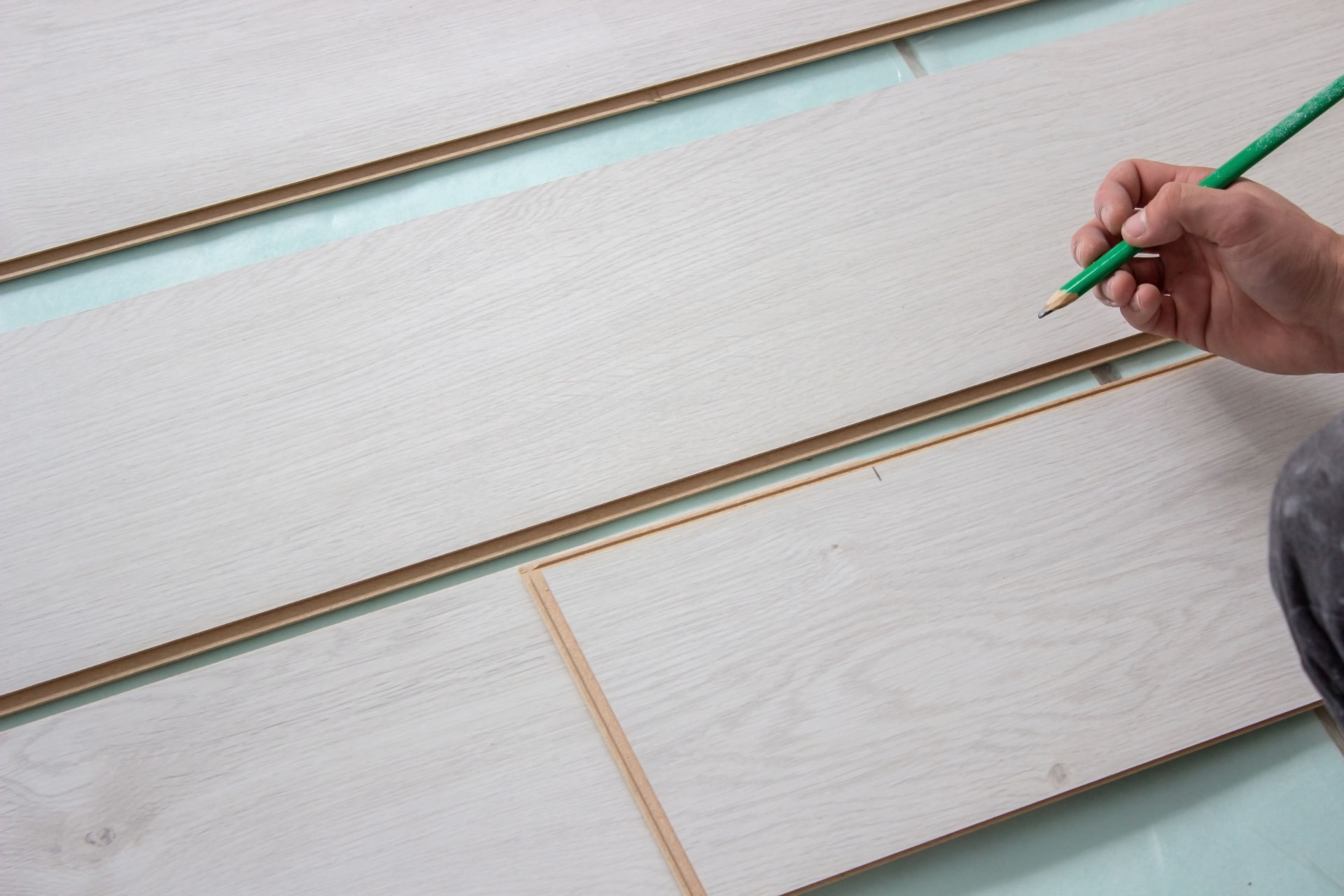
Hand applying material along a joint between flooring boards
AOC Sanding · Finchley & North London

Floor Gap Fillingin Finchley &North London

Assess whether filling suitable gaps can improve the floor’s surface while allowing for the timber movement and construction that determine a realistic result.

Get a Free Quote
Over 20 years’ individual experience · Free quotes
20+ years’ experienceIndividual trade experience
Lägler-trainedSpecialist floor care
Public liability insuredCover held by AOC Sanding
Free quotesDiscuss your project with Adam
The right work for your wood

Floor Gap Filling:what to consider.

Not every gap is a defect

Timber responds to changes in moisture and internal conditions. Some openings between boards narrow and widen through the year, while others arise from damaged edges, a previous installation or missing material. Gap filling needs to distinguish these situations. A neat-looking application is not useful if it prevents required movement or breaks out when the boards move. The first decision is whether filling is appropriate, not simply which colour to choose.

Gap filling can form part of a wider restoration plan, but it is not a universal treatment for draughts, loose boards or structural movement. It should not be used to disguise active damp, unsupported edges or an unidentified void. Tell Adam where gaps are most noticeable, whether they change seasonally and what improvement matters most to you, such as easier cleaning or a less interrupted appearance.

Agree an achievable visual result

The filled area may not reproduce the grain or reflect light like the surrounding wood. A filler that looks close before finishing can appear different once coated. Wider gaps and mixed timber colours can make this more noticeable. Discuss the likely appearance in normal daylight and consider whether leaving some movement gaps untreated is preferable to an overfilled surface that may not remain stable.

An assessed service from AOC Sanding

AOC Sanding is run by Adam O’Callaghan, who has over 20 years of experience and is Lägler trained. The business holds public liability insurance. These credentials do not remove the need to inspect the individual floor: its construction, condition and existing treatment determine what work is appropriate. Quotes are free, and the proposed scope should make clear which preparation, repairs and finishing stages are included.

Before the problem gets overlooked

Recognise the signs.Avoid the common mistakes.

Dirt traps and uneven-looking joints

Open joints can collect debris and make routine cleaning more awkward. However, dirt in a gap does not establish that filling it will last. The edges need to be sound enough for the proposed treatment and the opening must suit the selected material. Damaged board edges may need a repair first. Cleaning access and the condition beneath the surface can also affect how the area is prepared.

Seasonal gaps and failed previous filler

Cracked or missing old filler may indicate movement, unsuitable material or poor adhesion to a contaminated surface. Simply placing new material on top can reproduce the same problem. A gap that is open during a dry period may close as conditions change. Required perimeter expansion space must not be blocked indiscriminately. The assessment should separate joints that may be candidates for treatment from spaces that need to remain free.

A considered approach

From assessmentto finishing care.

01

Review construction and movement

The suitability of gap filling depends on the floor type, fixing system, stability and environmental conditions. Suspended boards and bonded blocks can behave differently. Record the position and approximate size of representative openings, along with any history of seasonal change. Where movement is substantial or moisture conditions are unresolved, stabilisation or further investigation may take priority over filling. No blanket promise should be made that every visible gap can be permanently closed.

02

Select material only after assessment

Possible approaches can include compatible filling compounds or timber inserts where the gap dimensions, substrate and movement make them appropriate. These are conditional options rather than a description of Adam’s standard technique. The selected approach needs compatibility with the intended stain or protective finish. A material that suits a small stable defect is not necessarily appropriate for a long, moving joint or a deep unsupported opening.

03

Coordinate preparation and finishing

Existing loose material, surface contamination and damaged edges may need attention before filling can be considered. Some filling approaches are coordinated with sanding; others have different preparation requirements. The order must follow the selected materials and the condition of the floor. Ask whether preparation, removal of failed filler, repairs and protective coating are included. Filling alone does not supply the wear protection associated with a suitable finished floor.

Practical benefits

A better surface.A clearer decision.

A more considered surface appearance

Where joints are suitable for treatment, filling can reduce visual interruptions and make small defects less prominent. This is a qualified improvement rather than a promise of an entirely uniform floor. Natural boards remain individual pieces, and contrasting grain or historic damage can still be visible. Agree which areas are included and how a practical result will be judged before deciding that every opening should receive the same treatment.

Support routine cleaning where appropriate

Reducing suitable dirt-catching openings may make everyday maintenance more straightforward. It does not eliminate the need for careful cleaning or make the floor waterproof. Water can still damage timber and enter through other joints or perimeter details. Use cleaning methods appropriate to the protective finish, avoid soaking the surface and deal with spills promptly. Persistent draughts may need separate consideration of the building fabric rather than relying on decorative filler.

Materials, methods & choices

The detailbehind floor gap filling.

Prepare an informative enquiry

Provide photographs that show both close detail and the wider floor. Include a coin or ruler for scale without forcing anything into the opening. Explain whether there is underfloor heating, a history of leaks or noticeable movement underfoot. Mention old filler that has cracked or come away. These details help frame the discussion, although the depth, stability and suitability of the joints still require assessment before a treatment is confirmed.

Understand colour and coating compatibility

Filling material can absorb stain differently from surrounding timber or may not accept it at all. A colour decision should therefore consider the whole finishing system, not an isolated sample of dry filler. Timber inserts may also remain recognisable because their grain differs from neighbouring boards. Testing can help manage expectations, but lighting, natural variation and future movement mean an invisible match should not be assumed.

Allow movement and monitor change

Keep any designated movement allowance clear and follow advice for the particular floor construction. Try to avoid abrupt changes in indoor conditions, especially where heating arrangements change seasonally. If fresh cracks or movement appear, record where and when they occur rather than repeatedly adding material. Reopening can indicate that the joint is active, and the appropriate next step may be reassessment rather than a stronger or deeper filler application.

Arrange a useful first conversation

For an enquiry, contact Adam on 07784 870239 or email adamoc87@hotmail.co.uk. Contact hours are Monday–Saturday, 8am–8pm. Include photographs taken in daylight, the approximate room size, the property postcode and a description of the problem or desired appearance. Mention stairs, parking restrictions, furniture and any date you are working towards. These details support an informed discussion; they do not replace an assessment or confirm a booking.

Keep sanding claims separate from this service

If floor sanding is included in the agreed project, AOC Sanding’s up to 98% dust-free Lägler claim applies to that sanding stage only. It does not describe the repair or filling activity itself, and it does not mean the whole project creates no dust. Ask about preparation and protection for nearby belongings, especially where rooms remain occupied or sensitive items cannot easily be moved.

Your questions answered

Floor Gap FillingFAQs.

For advice about your particular surface, contact Adam with your postcode and the work you have in mind.

Request a free floor gap filling quote

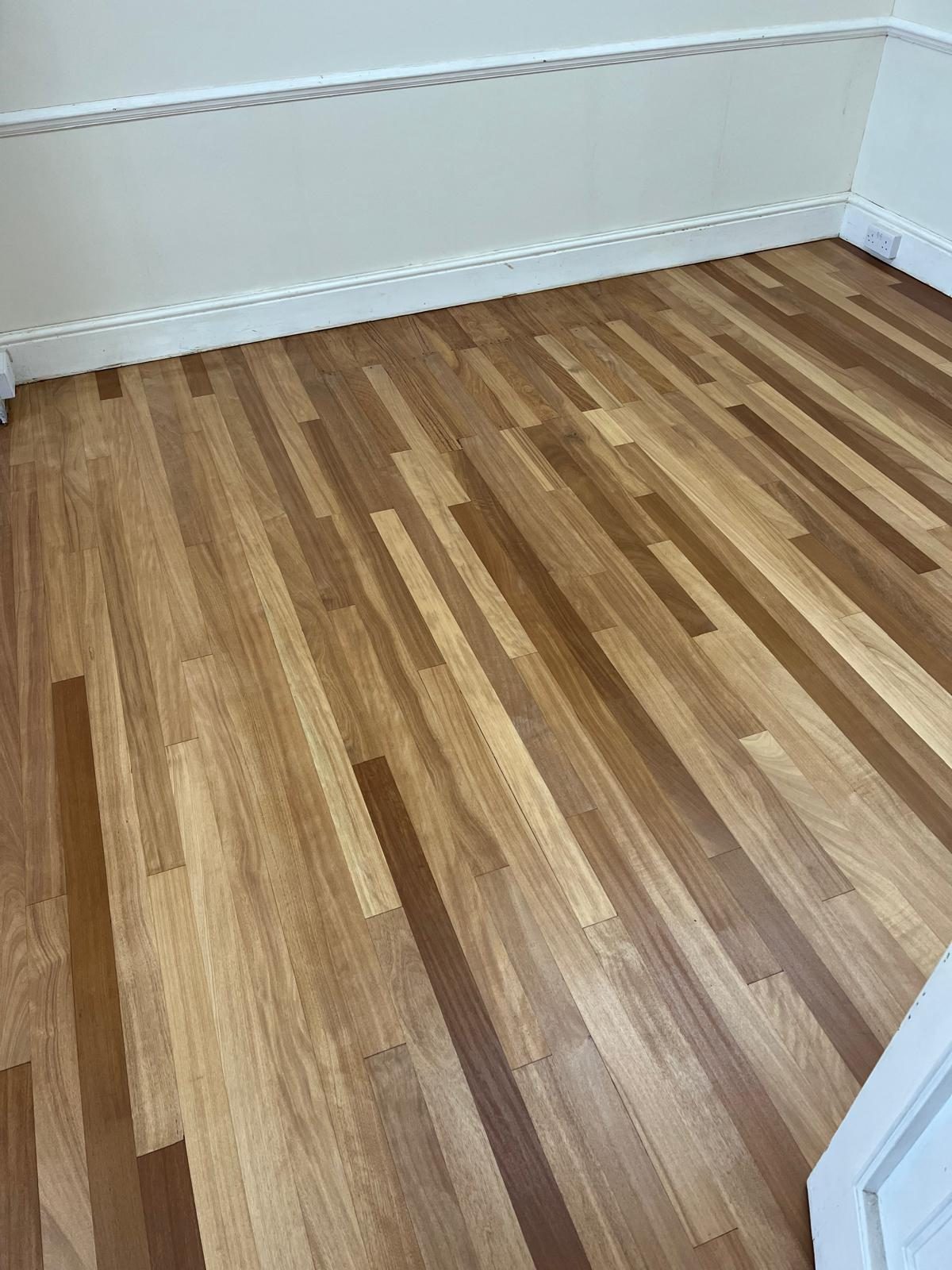
Mixed-tone wooden strip flooring beside a white skirting board
AOC Sanding · Free quotes

A fresh startfor your wooden surface.

Talk directly to Adam. Over 20 years’ experience, clear advice and no quote fee.