Finchley · North London · Hertfordshire
07784 870239adamoc87@hotmail.co.uk
Call AdamFree Quote
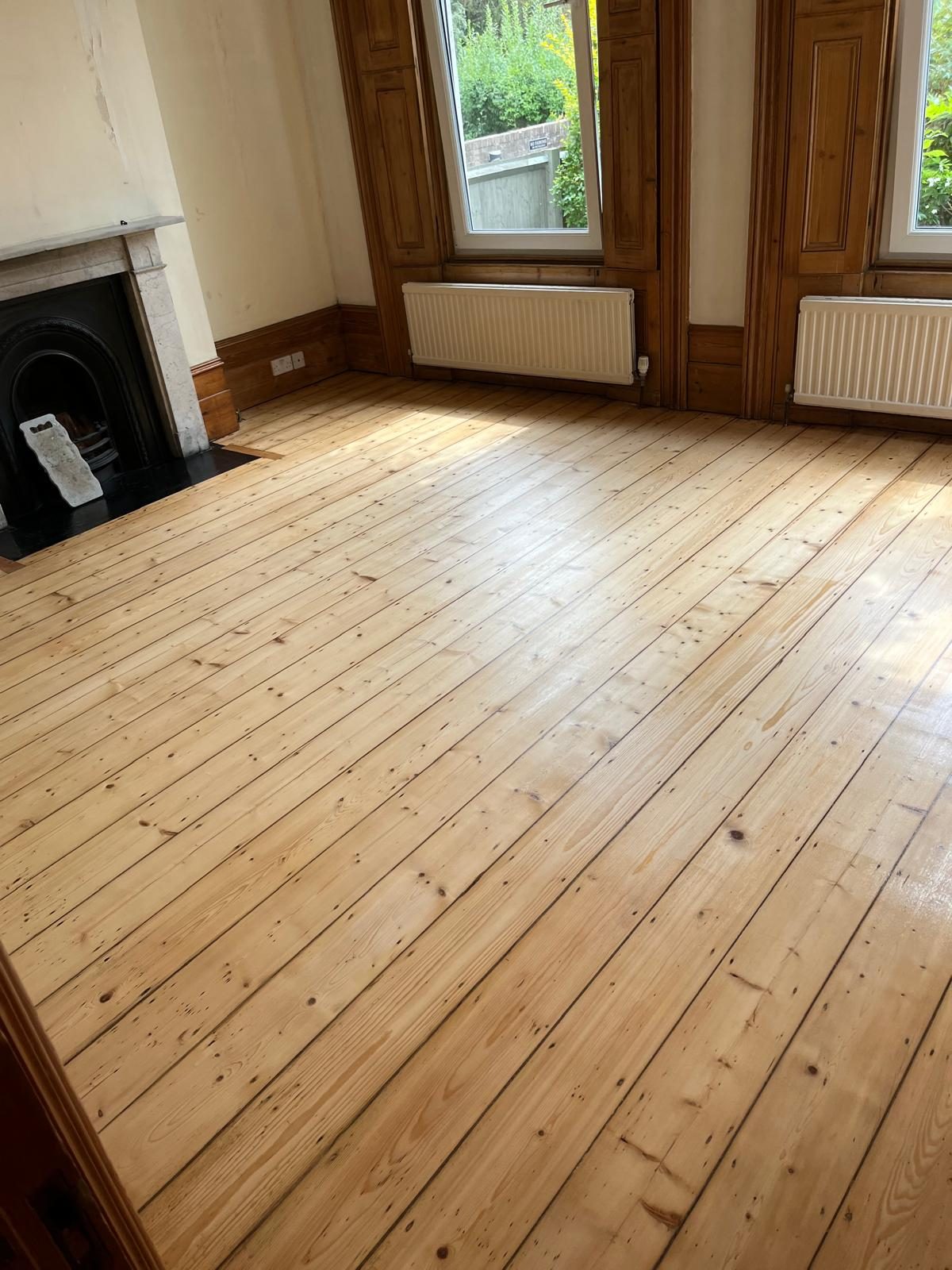
Pale wooden floorboards in a period room with a fireplace
AOC Sanding · North London

Floor sandingin Crouch End.

Restore the floor around the realities of Crouch End living: busy household routes, converted buildings and connected rooms, with a clear distinction between character worth retaining and damage that needs attention.

Get a Free Quote
Free quotes · Over 20 years’ individual experience
Your property in Crouch End

Local coverage.Individual floor care.

Different briefs above the shops and along residential streets

Haringey’s Crouch End appraisal describes a town centre with a broadly late Victorian and early Edwardian character, including closely packed shop parades with residential or commercial accommodation above. This is useful context for planning restoration around The Broadway or Tottenham Lane: the route into the building and neighbouring occupiers can be as important as the room dimensions. It does not establish the age, material or condition of a particular internal floor.

A floor above retail premises may have been adapted repeatedly, while a house on a residential street may contain different boards upstairs and downstairs. Tell AOC Sanding about the actual layout rather than relying on the building’s appearance. Photographs of thresholds, exposed edges and damaged areas are particularly helpful. The right question is not whether a Victorian-looking property deserves sanding, but whether this floor has enough sound material and a suitable construction for the proposed treatment.

Use the conservation appraisal as a prompt for careful decisions

Haringey’s appraisal distinguishes several parts of Crouch End, including the town-centre core, Haringey Park and Weston Park to Cecile Park. That variation is a reason to avoid treating the whole locality as one architectural type. Check the individual address against the council’s conservation information where relevant. An area appraisal is evidence about local character, not a condition survey, a promise of original flooring or permission to alter a listed interior.

Where a floor may be historically significant, retain evidence of its existing condition and ask what can be conserved. Aggressive flattening can remove material unnecessarily, and replacement timber may change the visual rhythm of old boards. If the building is listed, clarify consent requirements with the council before invasive work. Conservation area designation alone should not be presented as a blanket prohibition on interior floor maintenance, either; the individual circumstances matter.

Make access work for a mixed-use building

The appraisal notes narrow pavements and busy vehicular activity in the centre. Before booking work near the main shopping streets, establish a lawful loading plan for the exact address and check whether deliveries share the entrance. Do not assume a vehicle can wait outside throughout the job. A short route on a map may still involve several stairs, a narrow door or a long passage before equipment reaches the room.

If a flat is above a shop, agree which entrance may be used, who controls it and how it stays secure while machinery is moved. Discuss work hours with the relevant owner or managing agent and tell neighbours about the agreed programme where appropriate. These are planning questions rather than promises of special access arrangements. AOC Sanding cannot grant permission to use a shared space or override another occupier’s access rights.

Services in Crouch End

Care for your floors.And the wood around them.

Wooden Floor Sanding

A more even, usable wooden surface, with the treatment and finish chosen around the timber, its remaining thickness and the way the room is used.

Dust-Free Floor Sanding

A carefully planned sanding project with substantial dust reduction, realistic protection measures and clear expectations: up to 98% dust-free does not mean zero dust.

Wood Floor Restoration

A considered plan for retaining and improving an existing wood floor, distinguishing repairable defects from surface wear and setting realistic limits before cosmetic work begins.

Wood Floor Refinishing

A renewed protective surface and an informed choice of appearance, with the preparation matched to the existing coating, the timber and the maintenance you are prepared to undertake.

Residential Floor Sanding

A home-focused sanding plan that brings the floor, furniture, family routines and return-to-use arrangements into one realistic scope, without promising a disruption-free project.

Commercial Floor Sanding

A considered route to renewing a worn commercial timber floor, with preparation, finish selection and access arrangements assessed around how your premises are used.

Kitchen Worktop Sanding

An assessment-led way to refresh a suitable timber worktop, address surface wear and choose a practical finish for everyday kitchen use.

Table Top Sanding & Refinishing

A practical assessment of whether a worn timber table top can be renewed, with realistic expectations for marks, colour and the finish needed for its intended use.

Staircase Sanding

A carefully assessed route to renewing suitable timber stairs, with attention to existing wear, access, finish selection and the practical needs of everyone using the staircase.

Floorboard Replacement

Targeted assessment of damaged or unsuitable boards, with replacement scope, underlying conditions and the relationship to the surrounding floor considered before work is agreed.

Floor Repairs

Address damaged or unstable timber with repairs suited to the floor’s construction, then agree how the repaired areas will sit within the surrounding surface.

Floor Gap Filling

Assess whether filling suitable gaps can improve the floor’s surface while allowing for the timber movement and construction that determine a realistic result.

Floor Staining

Explore a suitable change of timber colour, with sample-led expectations and a separate compatible protective finish agreed as part of the specification.

Floor Lacquering

Specify a compatible film-forming protective finish for suitable timber, with preparation, sheen and aftercare considered together rather than treating lacquer as a cure for underlying defects.

Hardwax Oil Finishing

Consider a suitable hardwax oil system with its appearance, application limits and ongoing maintenance requirements clearly distinguished from those of a lacquer film.

Why choose AOC Sanding in Crouch End

Experience you can discuss.A quote for your floor.

A named craftsperson and a floor-specific explanation

Adam O’Callaghan brings over 20 years of individual experience and Lägler training to the assessment. AOC Sanding’s base is N12 9RU; there is no need to invent a Crouch End workshop to explain local coverage. Ask Adam to explain what the floor can reasonably deliver and which parts of the proposal depend on inspection. That is more useful than a blanket assurance that every old floor can look newly laid.

Free quotes give you an opportunity to compare an agreed scope rather than an attractive headline rate alone. Public liability insurance is held, but the cover limit should be confirmed if your landlord or management company requires particular evidence. If a re-visit is needed, discuss it directly. Re-visits are not the same as an unconditional guarantee, nor do they remove the need to follow the selected finish’s care instructions.

Choose an appearance that survives everyday use

For a family home, describe how people move between the entrance, kitchen and living room. A busy route through two connected rooms may need a different maintenance plan from an occasional-use study. Where the floor runs through an open doorway, consider whether treating only one room will leave a conspicuous boundary. The decision should account for existing wear and timber colour, not just how many square metres fit the budget.

A very pale or very dark finish can emphasise different features of the same boards. Samples help test expectations, particularly where replacement pieces or old stains are present. Look at a sample under the lighting used in the evening as well as daylight. Ask about sheen and ongoing care together: an attractive first impression is only useful if the household understands how to keep the chosen system in good condition.

Approximate floor-sanding guide: £40–£45 per m². Repairs, preparation, surface condition and finishing choices affect your assessed quote. This is not fixed pricing or a rate for worktops, tables or stairs.

What to check in Crouch End

Look beyond the wear.Consider what lies beneath.

Do not confuse old charm with a repair diagnosis

Creaks, gaps and visible nail lines often prompt an enquiry after carpet is removed. They are not interchangeable defects. A loose board may be repairable, while a moving joint may not hold a rigid filler. Before fixing anything down, consider concealed pipes and cables and whether the board needs future access. Sanding smooths a suitable surface; it does not make unsupported timber structurally sound or solve every source of noise.

If there is an uneven patch near a former fireplace or partition, ask whether it is an earlier alteration rather than ordinary wear. A patch may need a sympathetic timber repair, or it may be sensible to retain a visible distinction. Replacement pieces cannot be promised to match perfectly. Their species, grain, age and response to colour can differ, even when the repair is carefully selected and well fitted.

Sound and shared boundaries in converted homes

Removing carpet in an upstairs conversion can expose an attractive floor while also changing sound transmission. Review the lease and any acoustic requirements before treating bare boards as the final specification. A polished surface is not an acoustic upgrade. If a building professional is designing sound insulation, coordinate the floor restoration with that work rather than applying a new finish to boards that will shortly need lifting.

Where rooms are occupied throughout the project, avoid assuming that work can simply move around furniture without affecting the result. Clear space is needed for preparation, edging and consistent coating. Discuss a staged programme only after considering access and finish junctions. Walking through a partially treated area to reach another room can damage the coating or compromise safe working, even if the floor seems dry to the touch.

Our process

From the first conversationto care after finishing.

01

Turn photographs into a clear written scope

Start with wide room photographs and close views of damage, thresholds and floor edges. Include approximate dimensions, your address and the floor’s history if known. Say whether there has been a leak, previous sanding or a recent change in heating. These details help identify questions for inspection; they do not replace checking the remaining wear layer, board stability and condition of any existing coating.

Record which areas are included and whether repairs, colour changes or awkward residues need separate allowance. The approximate sanding guide is £40–£45/m², not a price for every flooring service. A free quote should explain the actual proposal, including exclusions and any conditions discovered during inspection. If the intended finish needs a sample or further testing, settle that before treating an online photograph as an agreed colour reference.

02

Coordinate a household programme, not just a work date

Confirm a start date directly and distinguish active working time from drying and curing. Business hours are Monday to Saturday, 8am–8pm, but building rules and the agreed programme still govern access. Arrange where furniture will go, how pets will be kept away and which rooms remain usable. If decorating or other trades are involved, agree their sequence so ladders, plaster dust or heavy deliveries do not undo completed floor work.

Before handover, ask when the floor can take careful foot traffic, furniture, rugs and normal cleaning. These are separate milestones and depend on the chosen product and conditions. Keep the product details for later maintenance and ask what to do if a concern appears. Cash and bank transfer are accepted; confirm payment arrangements as part of the quotation rather than relying on assumptions made from another contractor’s terms.

Your local questions

Floor sandingin Crouch End: FAQs.

Share your postcode and the condition of your wooden surface with Adam. Arrival and start dates need confirmation; urgent enquiries do not guarantee emergency attendance.

Request a floor sanding quote in Crouch End

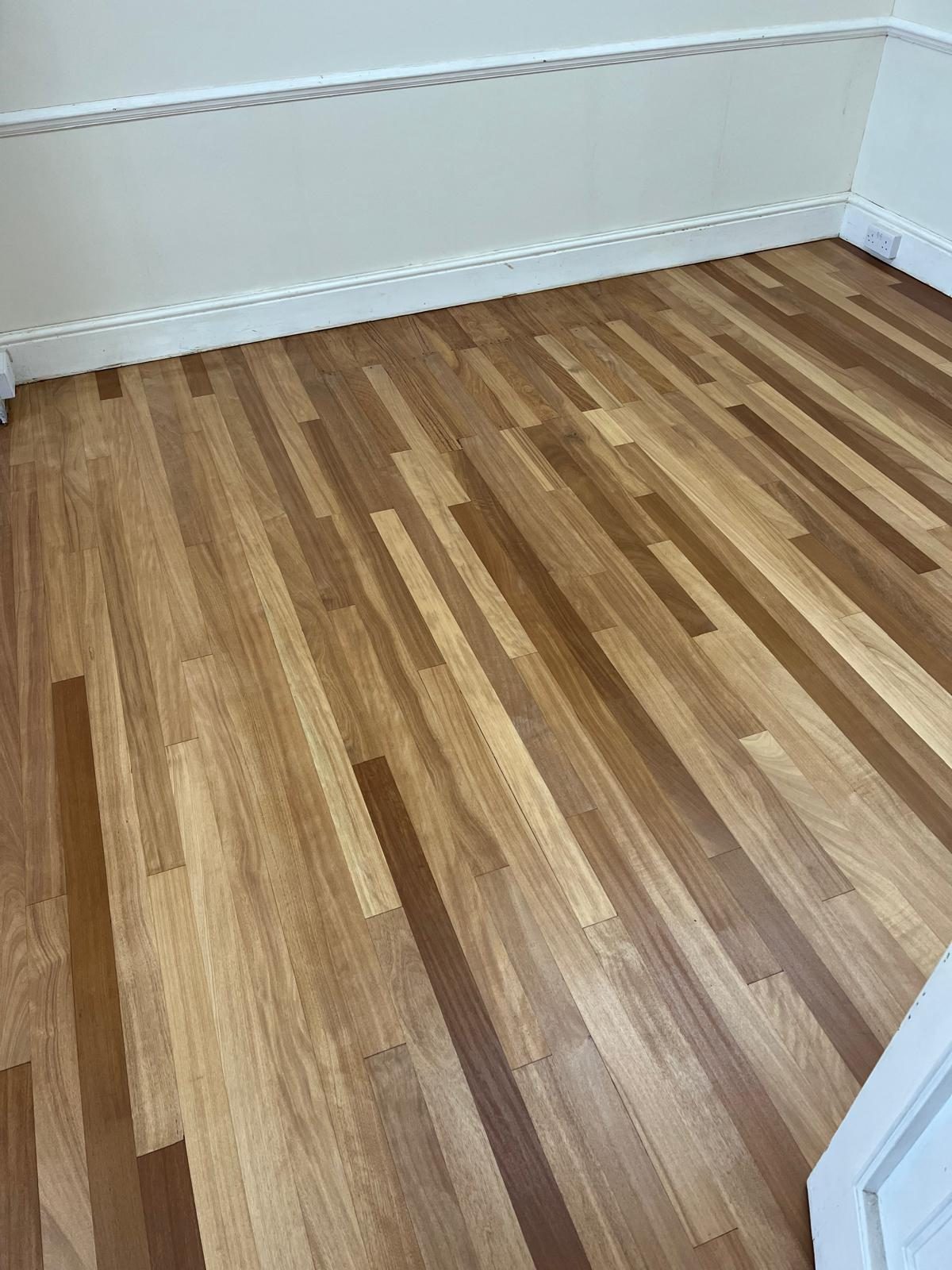
Mixed-tone wooden strip flooring beside a white skirting board
AOC Sanding · Free quotes

Your wooden floors in Crouch End.A fresh start.

Talk directly to Adam. Over 20 years’ experience, clear advice and no quote fee.