Finchley · North London · Hertfordshire
07784 870239adamoc87@hotmail.co.uk
Call AdamFree Quote
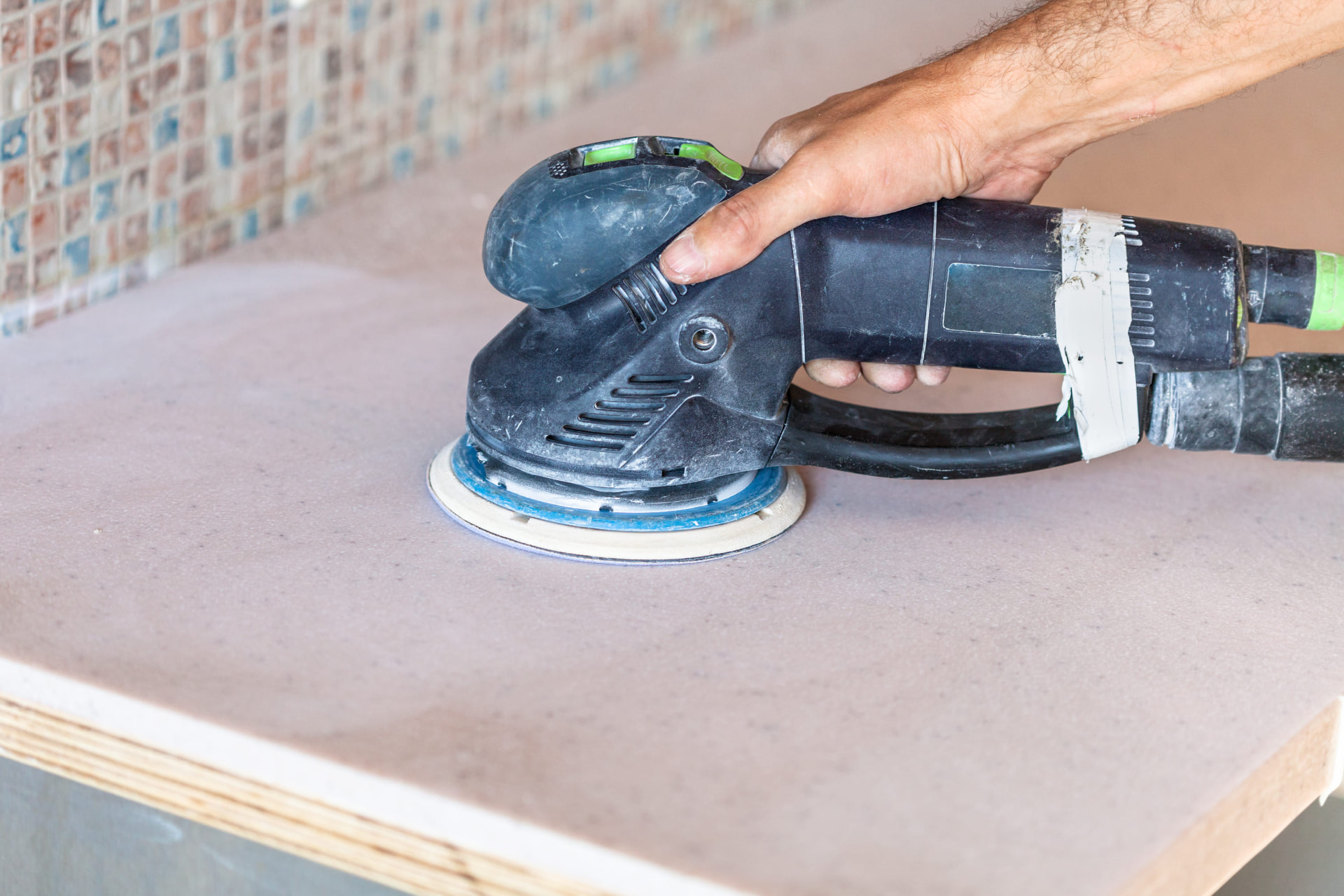
Handheld sander working on a kitchen worktop
AOC Sanding · Finchley & North London

Kitchen Worktop Sandingin Finchley &North London

An assessment-led way to refresh a suitable timber worktop, address surface wear and choose a practical finish for everyday kitchen use.

Get a Free Quote
Over 20 years’ individual experience · Free quotes
20+ years’ experienceIndividual trade experience
Lägler-trainedSpecialist floor care
Public liability insuredCover held by AOC Sanding
Free quotesDiscuss your project with Adam
The right work for your wood

Kitchen Worktop Sanding:what to consider.

Understand the surface before deciding to sand

A wooden kitchen worktop can show its daily use through dull patches, staining and differences around frequently washed areas. Sanding may improve a tired surface when there is enough suitable timber and the underlying installation is sound. It cannot be assumed to remove every mark or correct problems caused by a leaking fitting. The first decision is whether the material and condition justify sanding, not which colour to apply afterwards.

AOC Sanding is run by Adam O’Callaghan, whose individual experience extends over 20 years. Adam is Lägler-trained, the business holds public liability insurance and quotations are free. Those credentials do not turn floor-sanding dust-reduction figures into claims about worktop preparation. A kitchen quotation should address the actual surface, access, protection and finishing requirements of the worktop being considered.

Consider the kitchen as a working space

Worktops meet water, food preparation, warm appliances and frequent wiping, sometimes within a very small area. The finish needs to be considered in that context. Explain how the kitchen is used, whether the surface is solid timber and which areas are causing difficulty. Photographs of the whole layout, sink, hob and damaged sections can help an initial conversation, although concealed edges and joins may still require closer assessment.

Before the problem gets overlooked

Recognise the signs.Avoid the common mistakes.

Water marks around sinks and taps

Dark patches beside a sink may extend further into the timber than a surface scratch. Their appearance can improve with preparation, but complete removal should not be promised before assessment. More importantly, any continuing source of moisture needs attention. A loose seal, persistent standing water or a leaking connection can undermine a newly finished surface. Sanding is not a substitute for resolving a plumbing or installation fault.

Scratches, heat marks and uneven coatings

Knife marks, scorched areas and patchy previous finishes need different levels of consideration. A shallow scratch may respond differently from a deep cut or burn, and removing too much timber to chase one isolated mark can create an uneven surface. Existing coatings may also affect the preparation required. Discuss whether retaining a small historic mark would be preferable to unnecessary material removal or a conspicuous local hollow.

Moving joints and damaged edges

Open joins, lifting sections and softened timber are not simply cosmetic issues. An assessment should distinguish a surface that needs refinishing from an installation needing repair or replacement. Edges around cut-outs can be especially important because their condition may not be obvious from above. Do not assume that a new coating will restore strength to timber that has deteriorated or close a joint that continues to move.

A considered approach

From assessmentto finishing care.

01

Establish the scope and kitchen arrangements

Provide approximate dimensions, photographs and information about the existing finish if known. Identify islands, upstands, draining grooves, exposed ends and any areas beneath appliances. Agree which surfaces are included and whether access depends on another trade disconnecting or removing fittings. Plumbing, electrical work and appliance movement should not be assumed to form part of the quotation unless specifically discussed and confirmed.

02

Prepare around fittings and changes of level

Preparation needs to suit the timber, the previous coating and the accessible layout. Broad open areas, corners, edges and profiles do not behave like one uninterrupted flat surface. Protection for cabinets, flooring and nearby belongings should be agreed before work. No floor-sanding dust-reduction percentage is claimed for worktops; practical containment and cleaning arrangements still matter in a kitchen where food and utensils are normally present.

03

Choose a finish with clear use instructions

Finish selection should account for the timber, appearance, expected water exposure and intended use. Where a surface may contact food, the relevant product information and curing requirements need checking rather than assuming every finish is suitable. Any colour sample is an indication, not a promise of identical appearance across all grain. Ask for guidance on when wiping, food preparation and normal kitchen use can resume.

Practical benefits

A better surface.A clearer decision.

Keep a serviceable worktop in use

Where the timber and installation remain sound, renewing the surface can make better use of the existing worktop. It may avoid replacing a suitable piece solely because its finish has become patchy. This benefit depends on condition: extensive deterioration, unsuitable construction or insufficient material may favour another solution. A useful assessment explains both what improvement is realistic and what would remain unchanged after the proposed work.

Create a more coherent appearance

Removing worn coating and refinishing can reduce the contrast between heavily used sections and quieter corners. Natural grain, colour variation and some established marks can still be visible. The aim should be an agreed, practical improvement rather than a claim that an older worktop will look factory-new. Discuss the relationship with cabinetry and other timber surfaces before choosing a darker colour or different sheen.

Materials, methods & choices

The detailbehind kitchen worktop sanding.

Price the actual layout rather than borrowing a floor rate

Kitchen worktop sanding is quoted individually. The commercial floor-sanding guide does not apply to worktops, and a simple area measurement cannot describe every detail. Sink cut-outs, grooves, edge profiles, previous finishes, access and local damage can all affect the scope. A free quotation should make clear which faces and sections are included and whether any limitations prevent access to part of the timber.

If you want additional work considered, such as an island or separate timber breakfast bar, identify it at the enquiry stage. Do not assume visually adjoining surfaces are included automatically. Ask how any newly discovered damage would be handled before additional work is undertaken. Payment is accepted by cash or bank transfer; the payment arrangements should be confirmed when the quotation is accepted.

Plan temporary changes to kitchen use

Think about access to drinking water, food storage and meal preparation while the surface is unavailable. The programme depends on preparation, the selected product and conditions in the room; it should not be reduced to an unsupported same-day promise. Drying and full curing are different concepts, and a surface may need protection from water or heavy objects even when it no longer feels wet.

Keep food, utensils and small appliances away from the working area as agreed. Explain any essential appliance that cannot be relocated and any household access needs before booking. AOC Sanding operates Monday–Saturday, 8am–8pm, but those hours do not guarantee an immediate start or emergency attendance. Raise a particular deadline early so that availability and practical finishing requirements can be discussed together.

Care for the renewed surface in realistic ways

Use chopping boards and suitable protection beneath hot cookware rather than expecting a finish to resist every kitchen activity. Wipe spills promptly and avoid leaving wet cloths or pooled water around fittings. Cleaning products should be compatible with the chosen finish, and abrasive pads can change sheen or remove protection. Follow the relevant maintenance guidance instead of applying an unrelated oil or cleaner on the assumption that all timber finishes work alike.

No fixed service life is promised. Frequency of use, water exposure, cleaning and the condition of joins influence future maintenance. If a concern appears after completion, contact AOC Sanding with photographs and details. Re-visits can be arranged if needed, but this is not an unconditional guarantee or an assurance that subsequent leaks, heat damage or neglected maintenance will be remedied without qualification.

Your questions answered

Kitchen Worktop SandingFAQs.

For advice about your particular surface, contact Adam with your postcode and the work you have in mind.

Request a free kitchen worktop sanding quote

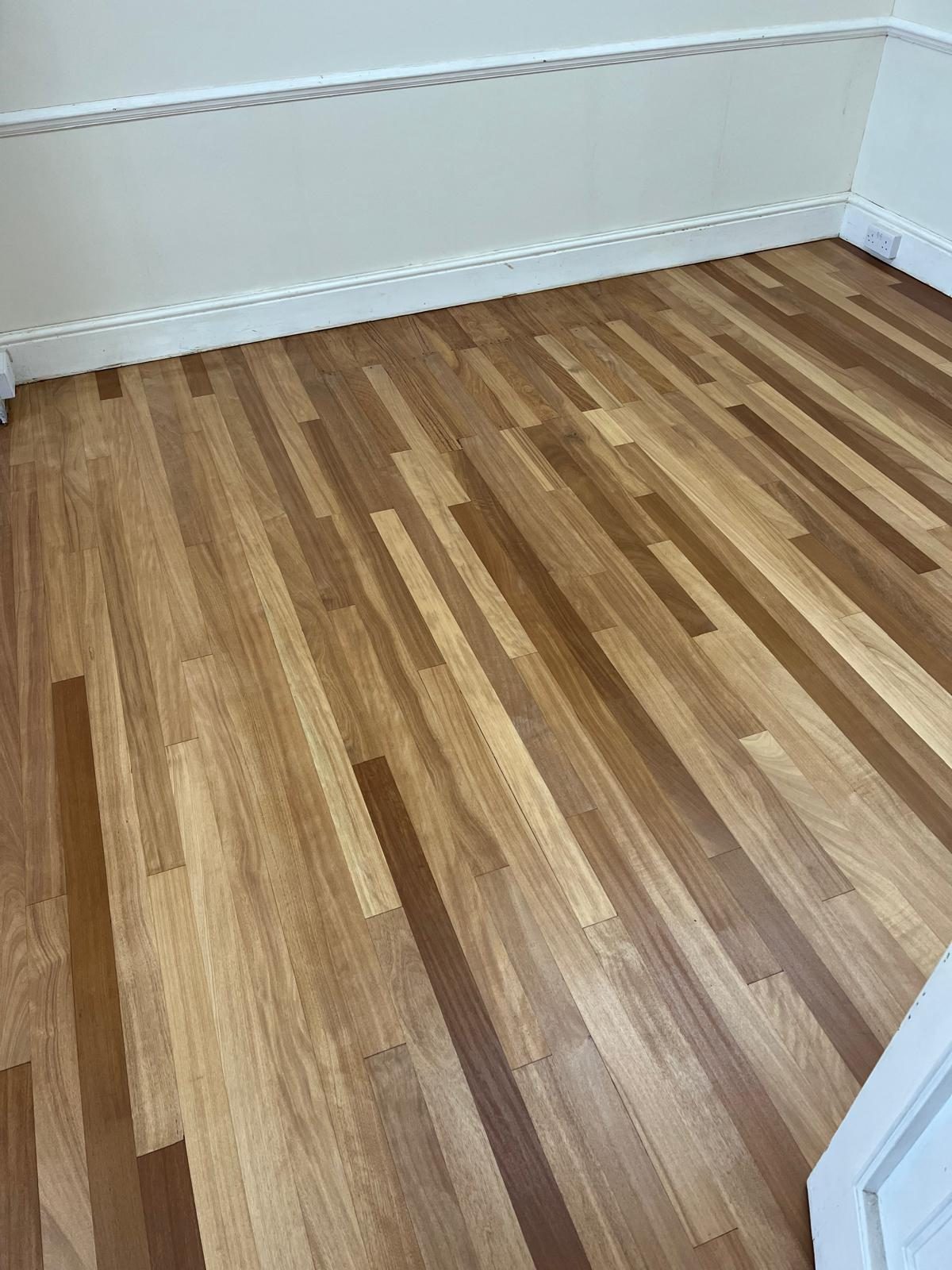
Mixed-tone wooden strip flooring beside a white skirting board
AOC Sanding · Free quotes

A fresh startfor your wooden surface.

Talk directly to Adam. Over 20 years’ experience, clear advice and no quote fee.