Finchley · North London · Hertfordshire
07784 870239adamoc87@hotmail.co.uk
Call AdamFree Quote
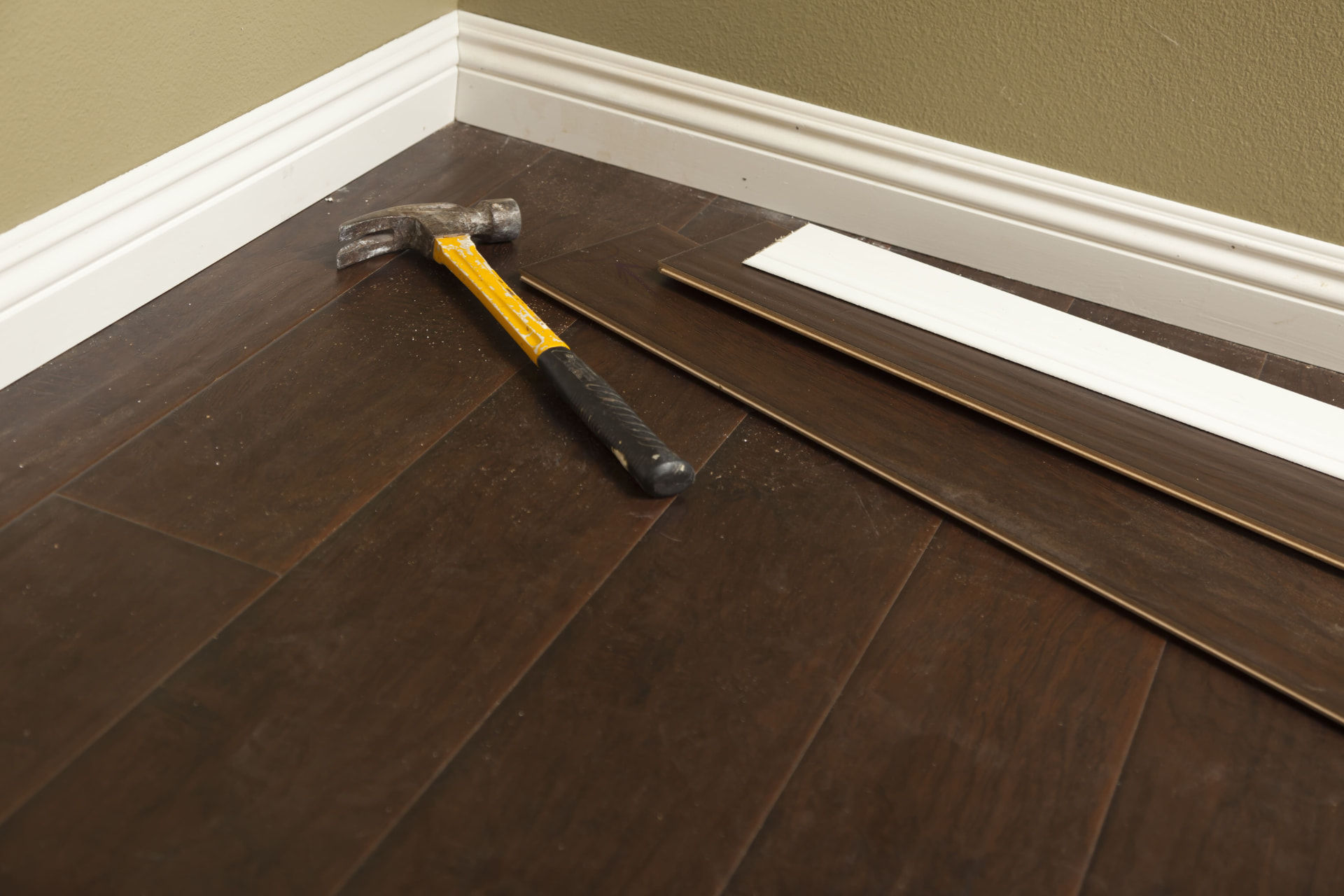
Hammer beside lifted wooden floorboards near a skirting board
AOC Sanding · Finchley & North London

Floor Repairsin Finchley &North London

Address damaged or unstable timber with repairs suited to the floor’s construction, then agree how the repaired areas will sit within the surrounding surface.

Get a Free Quote
Over 20 years’ individual experience · Free quotes
20+ years’ experienceIndividual trade experience
Lägler-trainedSpecialist floor care
Public liability insuredCover held by AOC Sanding
Free quotesDiscuss your project with Adam
The right work for your wood

Floor Repairs:what to consider.

Repair the cause, not just the visible mark

A damaged floorboard can be a local inconvenience or a sign of a wider issue. A split beside a fixing, a soft patch near a doorway and movement across several boards do not necessarily call for the same response. Floor repairs begin with understanding what has failed and whether the timber, its support or the surrounding environment is responsible. Cosmetic work alone is unlikely to be useful where an underlying source of movement or moisture remains active.

The aim is a serviceable floor with a clearly understood finish, not an unsupported promise that every repair will disappear. Replacement timber may differ in grain, age and colour. Local sanding or coating can also show against an older surface. Discuss whether keeping existing character matters more than creating a more consistent overall appearance, and whether broader refinishing is justified.

Decide what can reasonably be retained

Solid boards, parquet and engineered flooring present different repair possibilities. A substantial solid board may allow work that a thin engineered wear layer cannot tolerate. Laminate is not treated as sandable timber. The location of damage, board profile, fixing arrangement and availability of suitable replacement material all influence what can be retained. Where construction is uncertain, assessment should precede any commitment to a particular repair method.

An assessed service from AOC Sanding

AOC Sanding is run by Adam O’Callaghan, who has over 20 years of experience and is Lägler trained. The business holds public liability insurance. These credentials do not remove the need to inspect the individual floor: its construction, condition and existing treatment determine what work is appropriate. Quotes are free, and the proposed scope should make clear which preparation, repairs and finishing stages are included.

Before the problem gets overlooked

Recognise the signs.Avoid the common mistakes.

Loose boards, splits and damaged edges

A creak or moving edge may relate to the fixing, support beneath the board or normal movement between neighbouring components. Simply adding a fixing without understanding what lies below can create risk around pipes and cables. Splits can also indicate stress rather than an isolated surface defect. Explain when the movement occurs, whether it changes with the seasons and whether work has previously been carried out in that area.

Moisture damage and soft timber

Swelling, dark staining and softness need careful investigation before decorative repair. A historic stain is not the same as timber that remains damp. A leaking appliance, plumbing fault or unsuitable internal conditions may need attention before floor work can proceed. If deterioration extends into supports or suggests a structural problem, separate investigation may be required. Repairing the visible face cannot establish that concealed damage has been resolved.

A considered approach

From assessmentto finishing care.

01

Assess the repair boundary

Useful assessment considers the damaged piece and the surrounding area. A board that looks sound from above may have weakened edges, while a small defect may be entirely local. The discussion should identify the likely repair extent, access requirements and any uncertainty that can only be resolved once a damaged component is lifted. Agree how newly revealed issues will be communicated before additional work is authorised.

02

Choose a compatible repair approach

Depending on the construction and condition, options might include stabilising a suitable component, repairing a local defect or replacing damaged timber. These are possibilities, not a statement that one technique will be used on every AOC Sanding job. Suitable replacement material needs consideration of thickness, width, profile and species as well as appearance. Its moisture condition also matters because poorly matched movement can undermine a superficially tidy result.

03

Plan the surrounding surface treatment

A repair and its decorative integration are separate decisions. Fresh timber may require preparation before a compatible coating is applied, and a small patch can remain visible against an aged finish. Where sanding forms part of the agreed work, the remaining timber thickness must be suitable. If wider sanding is proposed, ask where it will stop and how thresholds, adjoining rooms and existing colour changes will be handled.

Practical benefits

A better surface.A clearer decision.

Retain serviceable original material

Targeted repairs may preserve sound timber that would otherwise be removed unnecessarily. This can be particularly useful where original dimensions or established character are difficult to reproduce. Retention is not automatically the best option: badly weakened components may need replacement. A sensible repair scope balances practical use, the condition of what remains and the amount of disturbance needed to reach a reliable result.

Make maintenance decisions clearer

Identifying which defects are local and which require wider attention helps you spend on the right work. A repaired board may improve stability, but it does not make the entire floor structurally certified or prevent every future creak. Understanding those limits allows you to plan subsequent decoration, cleaning and monitoring without confusing a targeted timber repair with a complete overhaul of the building beneath it.

Materials, methods & choices

The detailbehind floor repairs.

Prepare access without disturbing suspect boards

Clear small possessions and tell Adam about heavy furniture rather than assuming it can remain in place. Identify known pipe runs, access hatches and previous repairs. Do not lift loose boards yourself if services may be present. If a sharp edge or unstable section could cause injury, keep people away from that area pending appropriate advice. Explain whether the room is the only route to other parts of the property.

Understand colour and texture differences

Even timber of the same species can differ in growth pattern, natural tone and response to finish. Reclaimed material is not automatically an exact match, and new wood may age differently from the surrounding boards. A trial of any proposed colour treatment can help set expectations, but it cannot promise invisibility in every light. Historic dents and undulations outside the repair may remain unless additional work is specifically agreed.

Look after repaired areas

Follow the care instructions for any finish used over the repair, including restrictions on cleaning, rugs and furniture placement. Monitor renewed movement or staining rather than hiding it under a covering. Keep indoor conditions reasonably steady where possible and address water spills promptly. A return of the original symptom deserves investigation because it may indicate a persistent cause, not simply that the visible repair needs another cosmetic application.

Arrange a useful first conversation

For an enquiry, contact Adam on 07784 870239 or email adamoc87@hotmail.co.uk. Contact hours are Monday–Saturday, 8am–8pm. Include photographs taken in daylight, the approximate room size, the property postcode and a description of the problem or desired appearance. Mention stairs, parking restrictions, furniture and any date you are working towards. These details support an informed discussion; they do not replace an assessment or confirm a booking.

Keep sanding claims separate from this service

If floor sanding is included in the agreed project, AOC Sanding’s up to 98% dust-free Lägler claim applies to that sanding stage only. It does not describe the repair or filling activity itself, and it does not mean the whole project creates no dust. Ask about preparation and protection for nearby belongings, especially where rooms remain occupied or sensitive items cannot easily be moved.

Your questions answered

Floor RepairsFAQs.

For advice about your particular surface, contact Adam with your postcode and the work you have in mind.

Request a free floor repairs quote

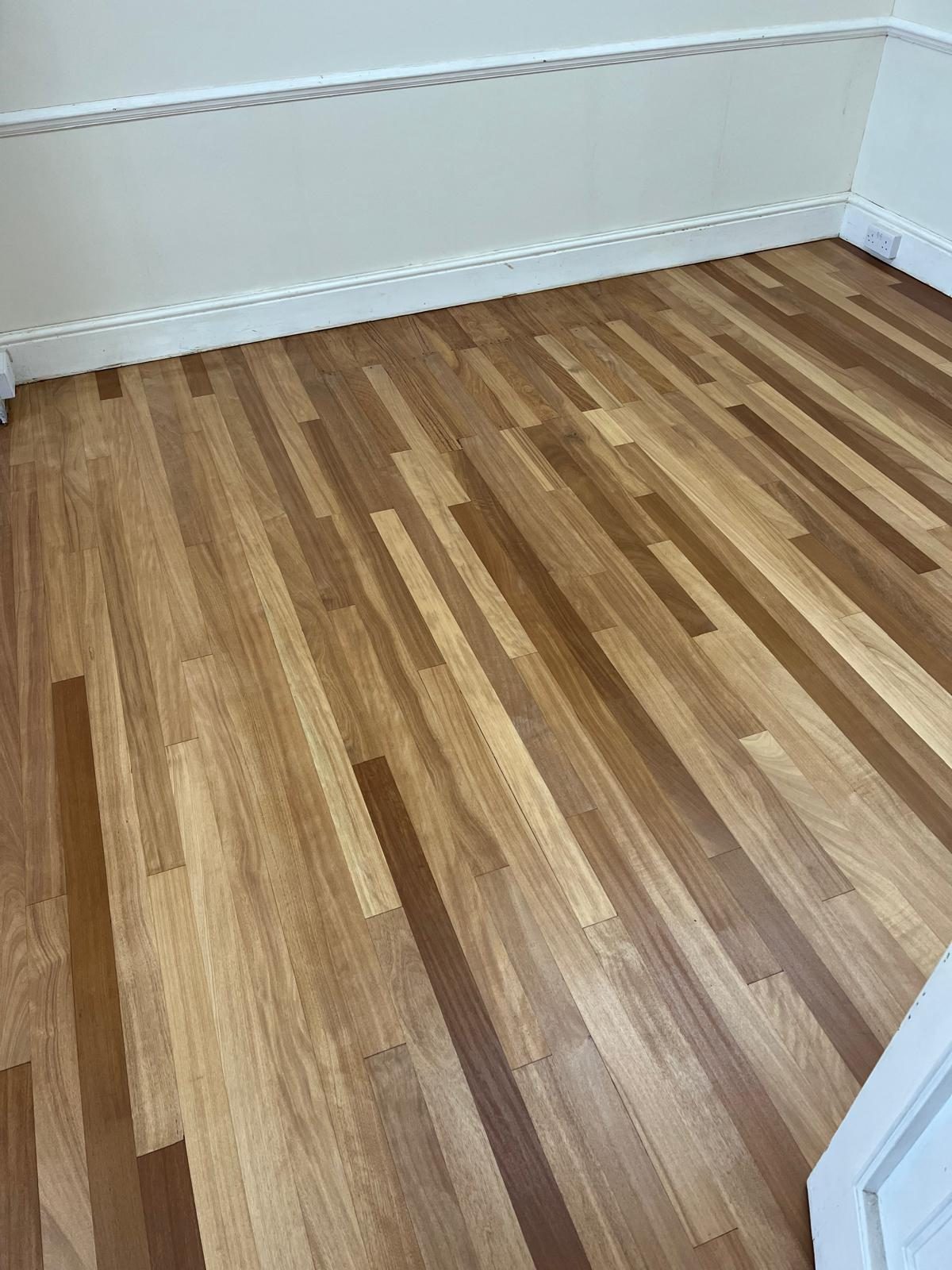
Mixed-tone wooden strip flooring beside a white skirting board
AOC Sanding · Free quotes

A fresh startfor your wooden surface.

Talk directly to Adam. Over 20 years’ experience, clear advice and no quote fee.