Local context without assumptions about your home
Radlett has separate northern and southern conservation areas. Hertsmere describes the northern area as covering the High Street, and records a boundary change removing the six properties in Barn Close. Its southern appraisal describes four character zones and changes removing Church Close and two Christchurch Crescent addresses. These are useful reminders that protection is address-specific, not something to infer from a Radlett postcode.
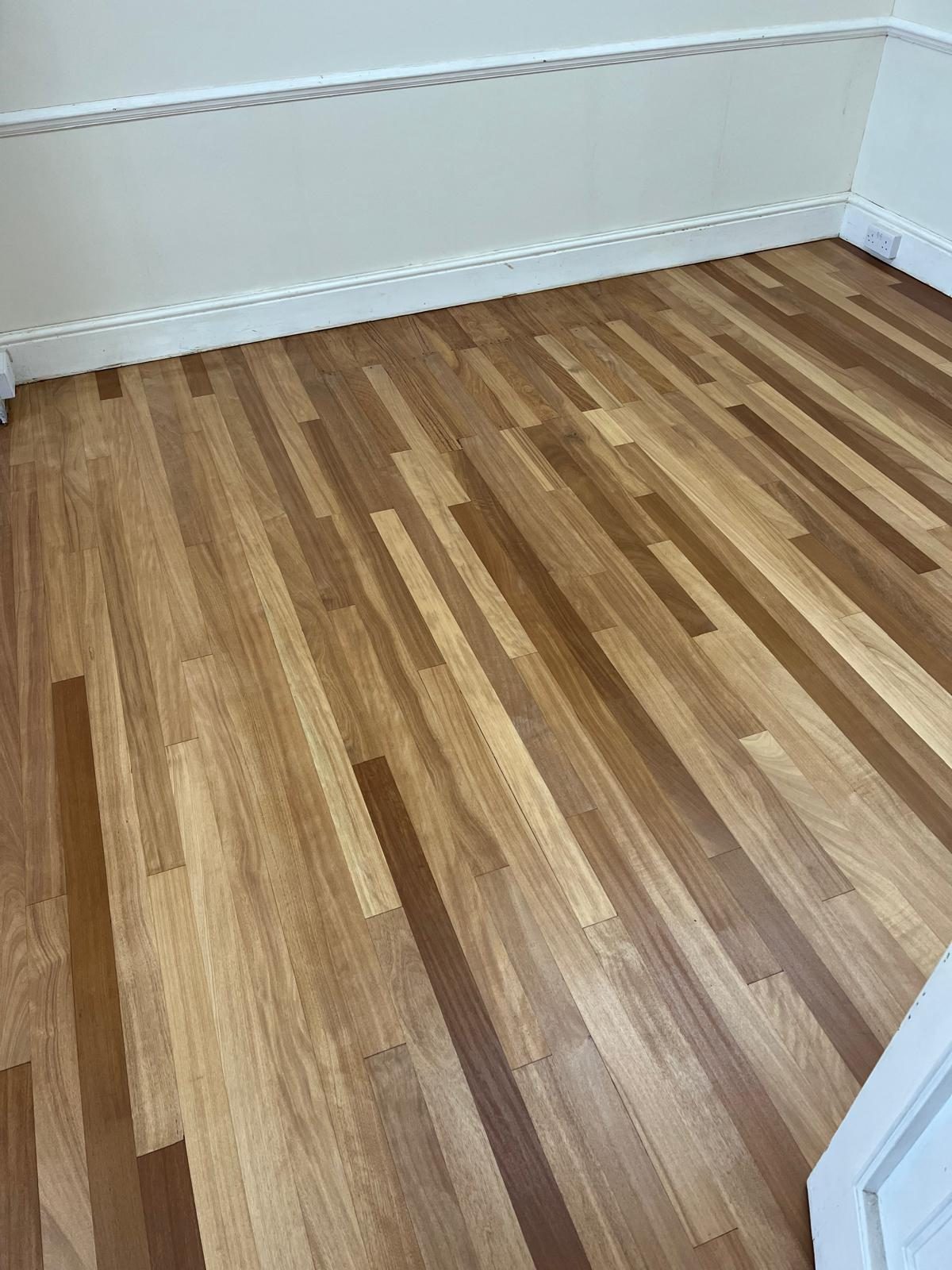
An extended Radlett house may contain a chain of quite different floor constructions: suspended boards, later blocks and an engineered floor over a newer base. That is a possible survey scenario, not a description of every local home. Before choosing one colour throughout, identify each construction and decide whether it can accept the same preparation and coating. A transition at a doorway may preserve an intentional distinction better than an unreliable attempt to disguise it.
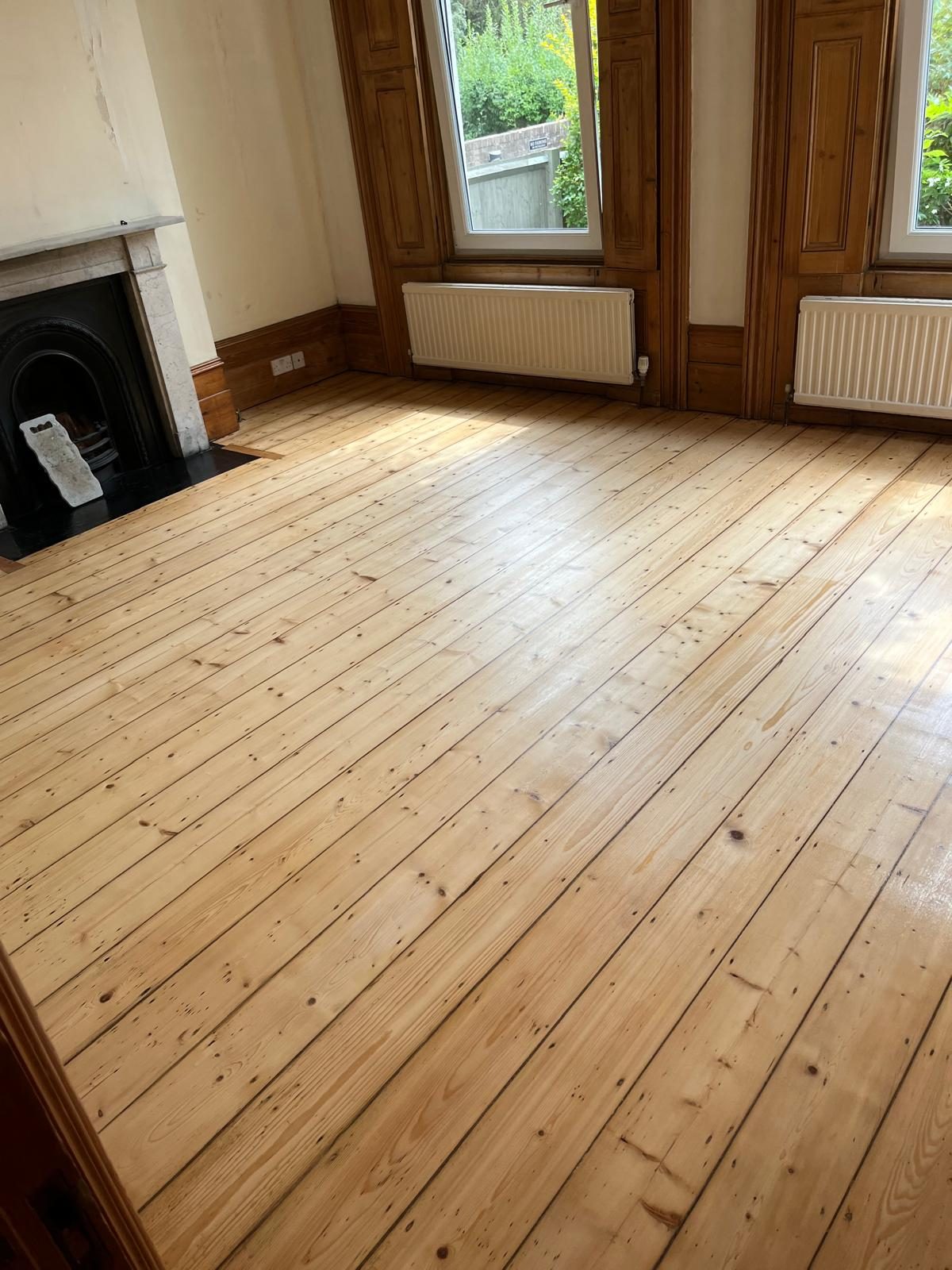
Where rooms open onto a garden, review the route from external doors to the main seating area. Grit carried across a finished surface can matter more than the nominal toughness of the coating. Plan entrance protection without trapping moisture beneath unsuitable mats. If large glazing creates strong side light, assess samples in that light: small changes in texture and sheen can be more apparent there than under ceiling lighting.
The southern conservation-area guidance records boundary changes following appraisal and consultation. That reinforces the need to look at the current mapped boundary rather than relying on a road name. If a building is listed, discuss the proposed treatment of significant floors with the appropriate adviser before irreversible work. Conservation-area status alone should not be presented as either a blanket ban or blanket approval for internal sanding.