Local context without assumptions about your home
Hertsmere’s published conservation-area list includes Elstree Village, but does not identify a general Borehamwood conservation area. Do not turn that into an assurance that a particular Borehamwood property has no heritage constraints: individual listing and other property-specific restrictions still need checking. Nor should nearby Elstree Village’s designation be applied to every home using an Elstree and Borehamwood address. Use the council’s maps and the actual property details.
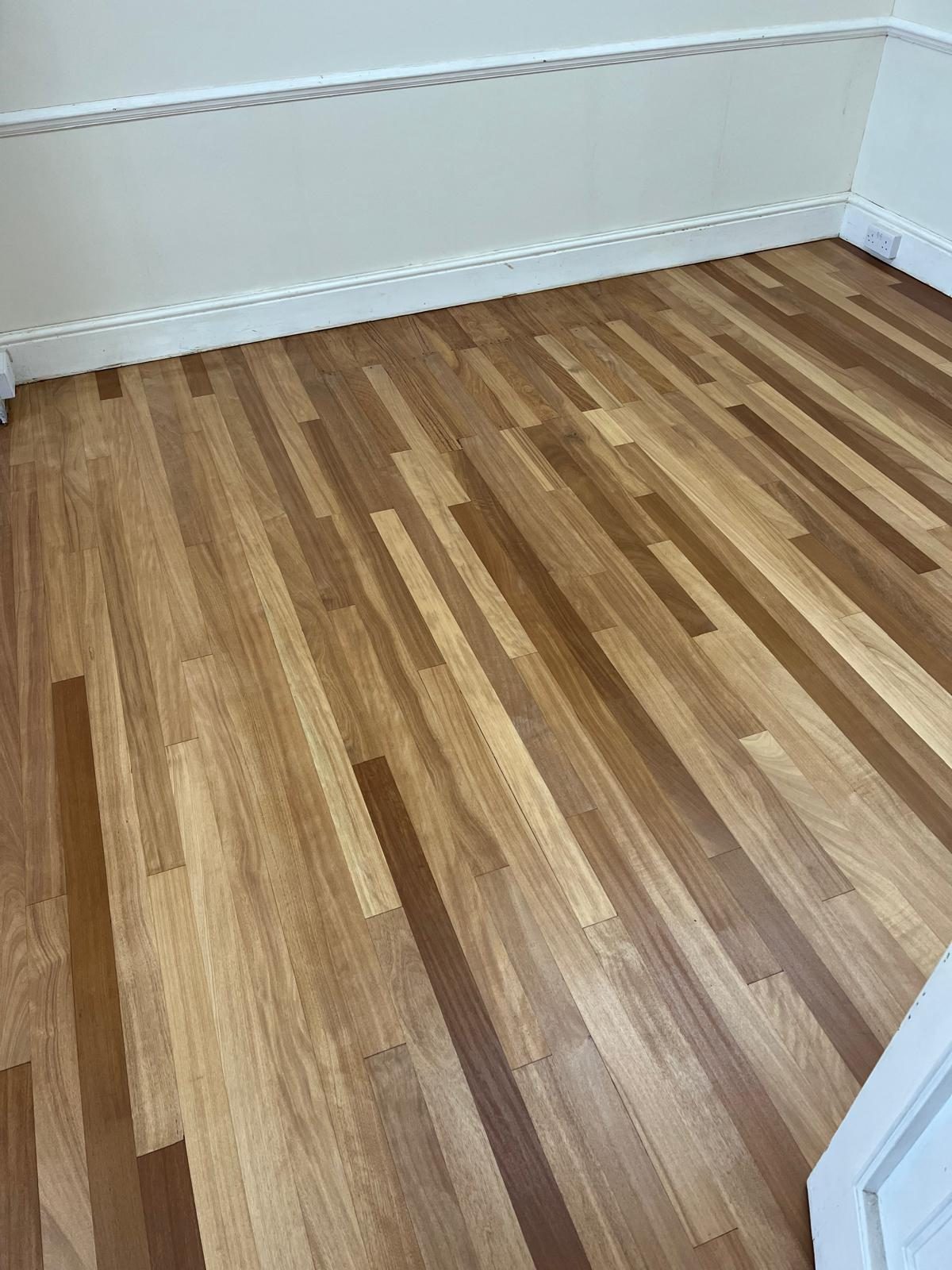
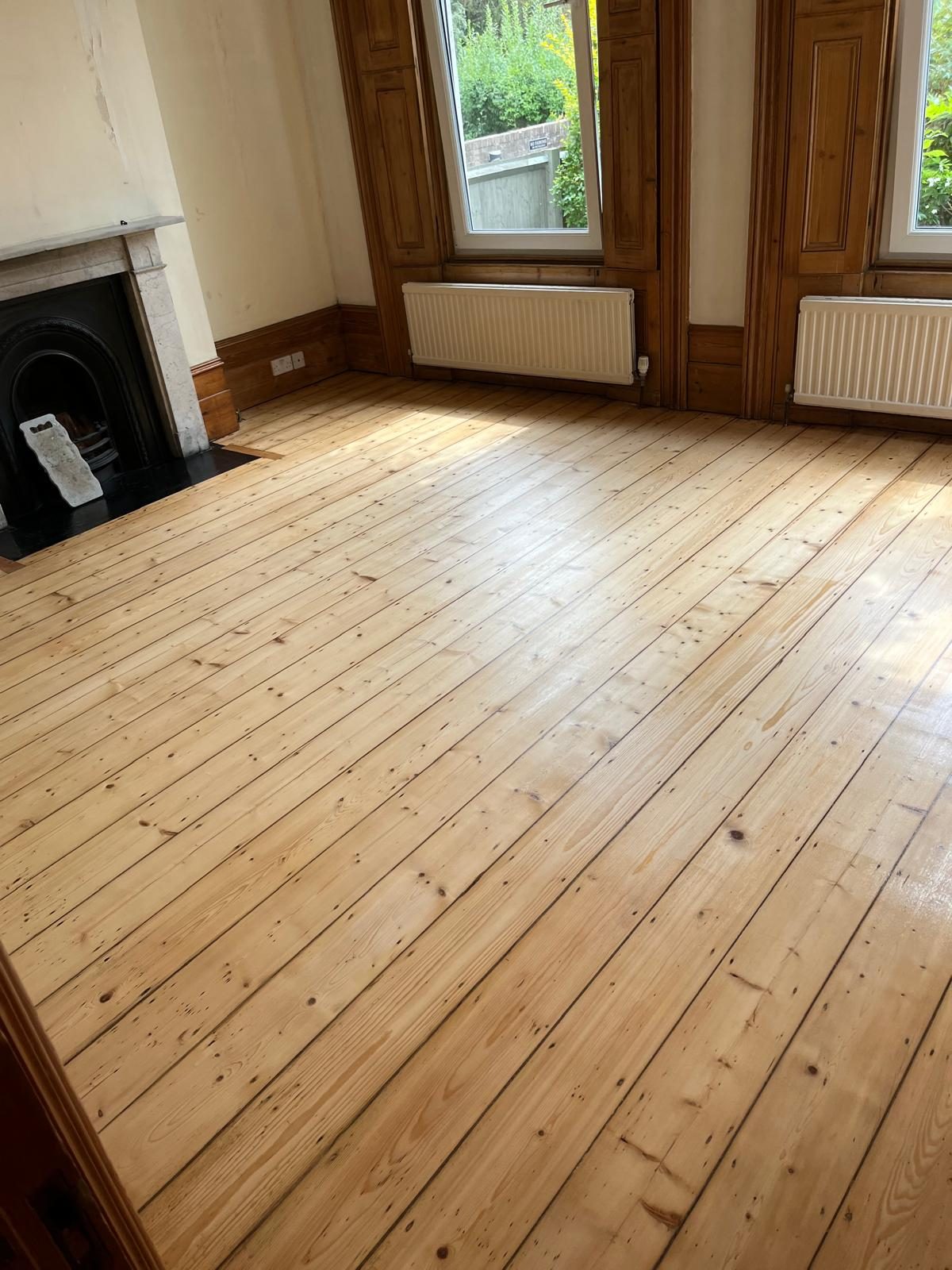
A sensible starting point for a Borehamwood renovation is to establish what the existing covering conceals. A room advertised as having wood flooring could contain solid boards, engineered material or laminate. The restoration options differ fundamentally. If carpet is still down, arrange a suitable inspection at an accessible edge rather than assuming a full timber floor survives underneath. Old alterations may have left patches, service openings or a different floor beside a former hearth.
For an occupied maisonette or flat, internal access and shared responsibilities can shape the programme. Confirm who manages the building, whether common parts need protection and whether there are contractor-hour restrictions. A tenancy or lease may impose requirements separate from planning controls. Seek the necessary permissions before removing a covering or altering the floor build-up, particularly if acoustic performance forms part of the lease or building arrangement.
If you are preparing a property between tenancies, leave time to discover the floor’s condition after clearance. An empty room makes inspection easier but does not guarantee immediate readiness for sanding. Confirm the landlord’s authority, access arrangements and the intended standard of appearance before booking. Photographs from before the last tenancy can provide useful history, but current moisture, movement and remaining timber thickness still need consideration.