01Establish construction, condition and priorities
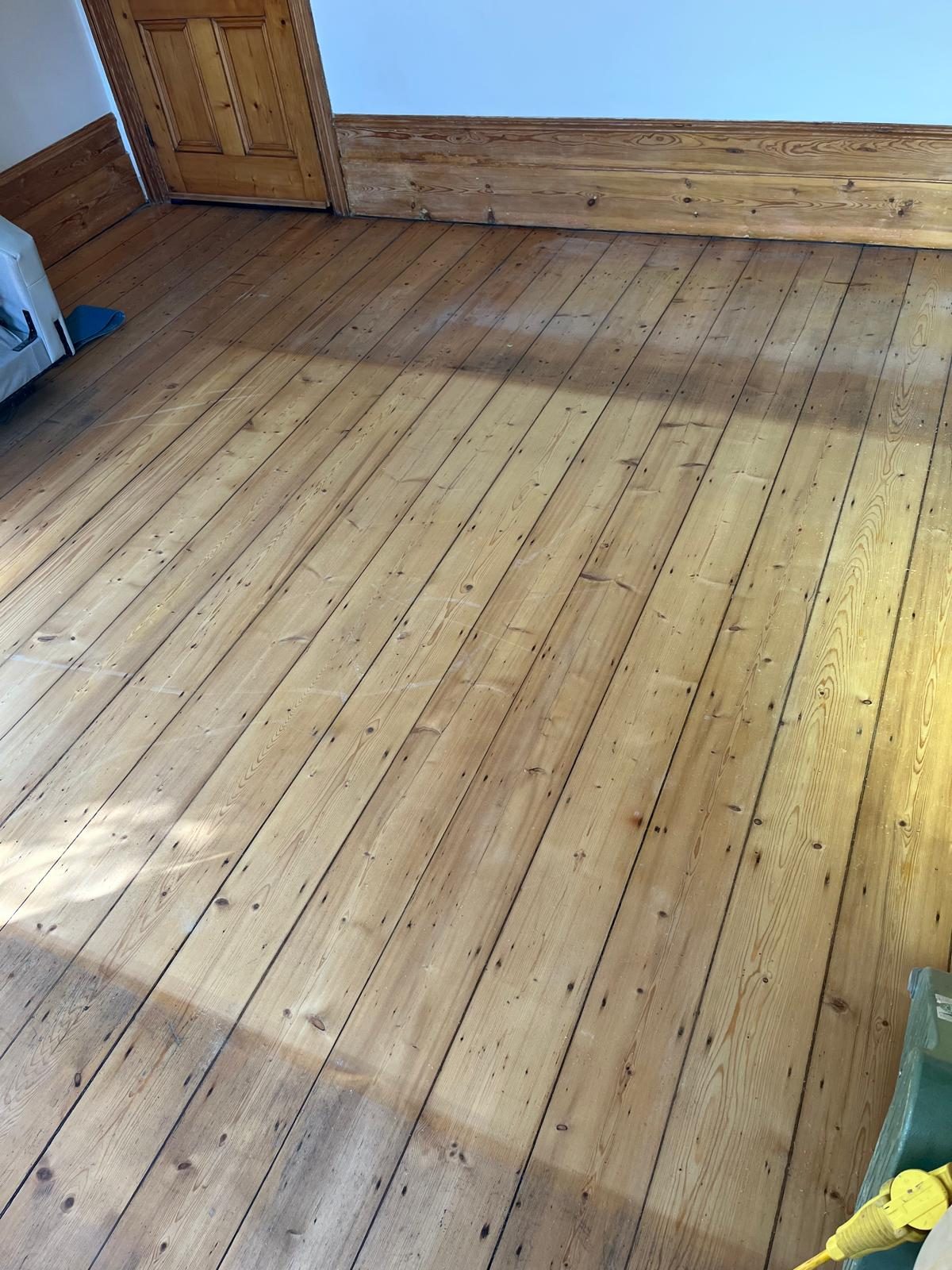
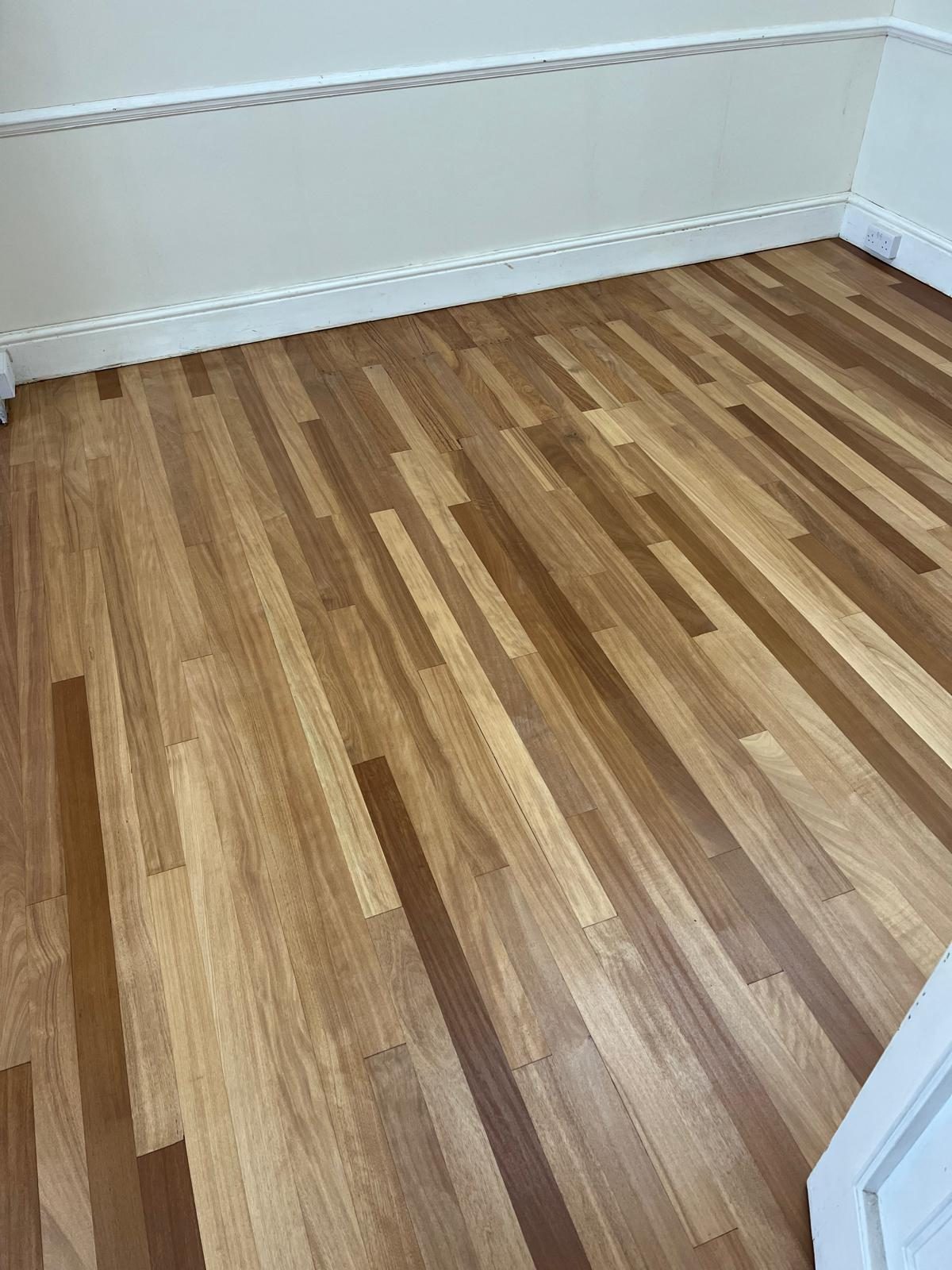
Begin with the type of flooring, its approximate history and any areas that have previously been repaired or sanded. Tell Adam about loose boards, draughts through gaps, staining and any known leaks. Photographs can help describe the room, but they may not establish wear-layer thickness or hidden damage. Agree whether the priority is a cleaner natural appearance, a different sheen or making adjacent spaces feel more coherent. Those choices affect the proposed work and help distinguish necessary preparation from optional changes to the look.
02Prepare the room and resolve practical access
The working area needs a preparation plan covering furniture, rugs, curtains that touch the floor and items stored in corners. Confirm who is moving what and where belongings can be kept without obstructing the work. Discuss access through doorways, stairs and shared routes, including whether adjoining rooms remain in use. Any proposed removal of thresholds or other fittings should be agreed rather than assumed. Where repairs or protruding fixings are identified, they need suitable attention before sanding can proceed safely on the assessed floor.
03Sand only as far as the floor allows
In general, sanding involves stages that remove the old surface and refine the resulting scratch pattern before finishing. The appropriate abrasives, direction and amount removed depend on the timber, construction and condition; they should not be specified from a generic checklist alone. Edges and awkward areas also need consideration so they do not visibly contrast with the main floor. AOC Sanding uses Lägler floor sanding described as up to 98% dust-free. This reduces dust but does not mean that the room or adjoining areas will be entirely dust-free.
04Agree the finish and instructions for use
Once the surface preparation is suitable, the agreed finish should be applied in accordance with the chosen product’s requirements and the substrate assessment. Appearance is only one part of that choice: cleaning needs, expected traffic and the way the room is used also matter. Ask for instructions covering access, furniture replacement, rugs and routine cleaning. Drying and curing are not interchangeable, and neither should be assigned a universal duration. The room should be brought back into use according to the relevant advice, not simply because the surface looks dry.