Finchley · North London · Hertfordshire
07784 870239adamoc87@hotmail.co.uk
Call AdamFree Quote
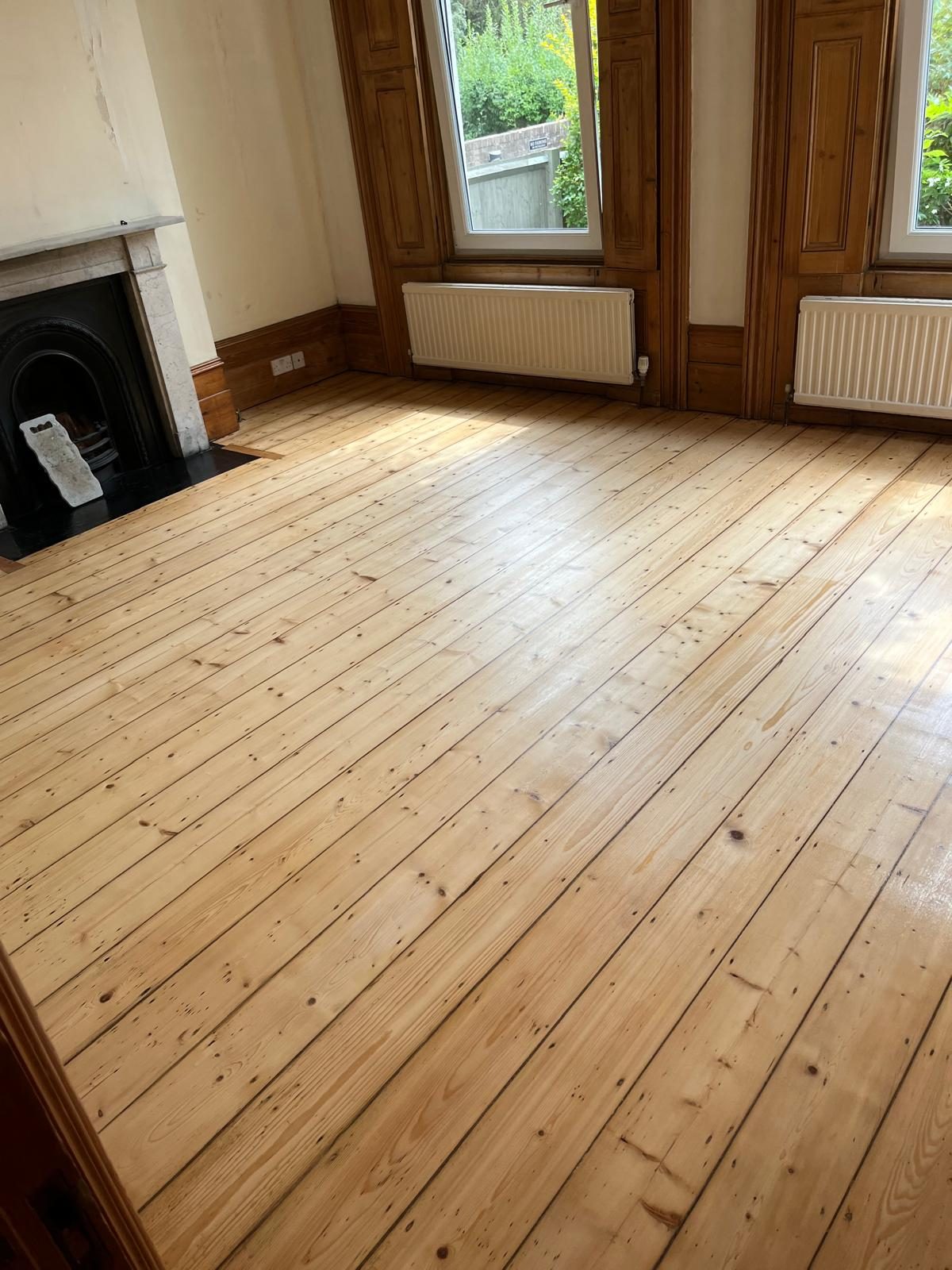
Pale wooden floorboards in a period room with a fireplace
AOC Sanding · Hertfordshire

Floor sandingin Potters Bar.

A measured approach to Potters Bar floor restoration: preserve serviceable timber, distinguish older rooms from additions and agree a workable household route while repairs and finishes are completed.

Get a Free Quote
Free quotes · Over 20 years’ individual experience
Your property in Potters Bar

Local coverage.Individual floor care.

Read the local context at the right scale

Hertsmere identifies the Potters Bar Darkes Lane (West) Conservation Area as including the Avenue, Heath Drive, Manor Way and Mountway areas. That is a specific designation, not a description of every Potters Bar property. If your home is nearby, check the adopted boundary rather than deciding from a street name alone. Local conservation context is useful, but it does not establish the age or sanding capacity of an individual floor.

Hertsmere’s conservation FAQs explain that buildings, streets, trees and open spaces contribute to the area’s distinctiveness. For floor work, the useful lesson is to understand the individual property rather than treating conservation status as a decorative label. Check listed status and seek appropriate advice before changing significant historic fabric. An area designation does not by itself prove that an internal timber floor is protected, original or suitable for invasive restoration.

Check the route and the room layout

A Potters Bar driveway can be helpful for access, but its availability still needs confirming. Explain whether gates open fully, whether other vehicles must remain in place and how equipment reaches the working room. For a maisonette or flat, provide stair and landing photographs instead. AOC Sanding covers the town from N12 9RU; it should not be presented as having a separate Potters Bar branch or a guaranteed journey time.

In a home with a side extension or converted garage, the apparent timber surface may change construction at a doorway. Record those transitions before seeking a single finish across the ground floor. Heating arrangements and recent building work may also differ between rooms. Tell Adam what has changed and when, especially after wet trades or a leak, so the proposal is based on present conditions rather than the age of the original house.

Services in Potters Bar

Care for your floors.And the wood around them.

Wooden Floor Sanding

A more even, usable wooden surface, with the treatment and finish chosen around the timber, its remaining thickness and the way the room is used.

Dust-Free Floor Sanding

A carefully planned sanding project with substantial dust reduction, realistic protection measures and clear expectations: up to 98% dust-free does not mean zero dust.

Wood Floor Restoration

A considered plan for retaining and improving an existing wood floor, distinguishing repairable defects from surface wear and setting realistic limits before cosmetic work begins.

Wood Floor Refinishing

A renewed protective surface and an informed choice of appearance, with the preparation matched to the existing coating, the timber and the maintenance you are prepared to undertake.

Residential Floor Sanding

A home-focused sanding plan that brings the floor, furniture, family routines and return-to-use arrangements into one realistic scope, without promising a disruption-free project.

Commercial Floor Sanding

A considered route to renewing a worn commercial timber floor, with preparation, finish selection and access arrangements assessed around how your premises are used.

Kitchen Worktop Sanding

An assessment-led way to refresh a suitable timber worktop, address surface wear and choose a practical finish for everyday kitchen use.

Table Top Sanding & Refinishing

A practical assessment of whether a worn timber table top can be renewed, with realistic expectations for marks, colour and the finish needed for its intended use.

Staircase Sanding

A carefully assessed route to renewing suitable timber stairs, with attention to existing wear, access, finish selection and the practical needs of everyone using the staircase.

Floorboard Replacement

Targeted assessment of damaged or unsuitable boards, with replacement scope, underlying conditions and the relationship to the surrounding floor considered before work is agreed.

Floor Repairs

Address damaged or unstable timber with repairs suited to the floor’s construction, then agree how the repaired areas will sit within the surrounding surface.

Floor Gap Filling

Assess whether filling suitable gaps can improve the floor’s surface while allowing for the timber movement and construction that determine a realistic result.

Floor Staining

Explore a suitable change of timber colour, with sample-led expectations and a separate compatible protective finish agreed as part of the specification.

Floor Lacquering

Specify a compatible film-forming protective finish for suitable timber, with preparation, sheen and aftercare considered together rather than treating lacquer as a cure for underlying defects.

Hardwax Oil Finishing

Consider a suitable hardwax oil system with its appearance, application limits and ongoing maintenance requirements clearly distinguished from those of a lacquer film.

Why choose AOC Sanding in Potters Bar

Experience you can discuss.A quote for your floor.

A named specialist, with limits explained

Adam O’Callaghan has over 20 years of individual experience and is Lägler-trained. AOC Sanding is based at N12 9RU and covers the listed North London and Hertfordshire towns, up to 50 miles from Barnet. Experience is useful when deciding what to retain, but it is not a reason to promise that every mark will disappear or that every old floor can tolerate another full sanding.

The first useful outcome is a clear explanation of your floor’s options. There may be enough sound timber for sanding, a need for repairs first, or a reason to consider a less invasive approach. Engineered flooring needs adequate remaining wear layer and manufacturer-specific consideration; laminate is not treated as sandable timber. Ask what evidence supports the recommendation rather than deciding from the apparent age of the house.

Choose the result you can realistically maintain

Discuss the room’s use before deciding on colour or sheen. Pets, dining chairs, entrances and regular foot traffic affect practical choices, while daylight can make old repairs more conspicuous. A suitable finish should be selected with its maintenance requirements in mind. No lacquer or oil-based system makes timber immune to scratches, standing water or the effects of dragging furniture, and product suitability must be confirmed for the job.

Quotes are free and public liability insurance is held. If an insurer, landlord or managing agent needs a certificate or particular level of cover, request the details: the limit should not be assumed. Re-visits can be discussed if needed, but this is not an unconditional guarantee. An honest quotation should record the proposed work and its limitations, including marks or differences that may remain after a careful restoration.

Approximate floor-sanding guide: £40–£45 per m². Repairs, preparation, surface condition and finishing choices affect your assessed quote. This is not fixed pricing or a rate for worktops, tables or stairs.

What to check in Potters Bar

Look beyond the wear.Consider what lies beneath.

A continuous look across different phases of the house

A front room and a later rear addition may never respond to sanding and colour in the same way. Differences in species, board width, installation and existing coatings can remain visible. Decide whether a coordinated rather than identical appearance would meet the brief. A doorway or threshold can provide a deliberate transition; trying to erase every distinction may require unnecessary work without delivering the exact match imagined.

Assess the thickness and stability of the material before specifying a more aggressive sanding sequence. Exposed nail heads, damaged tongues or thin edges may limit what is sensible. A surface that looks uneven is not always one that should be flattened completely. Where there are signs of structural movement, rot or continuing damp, investigation and correction of the cause should come before a cosmetic finish.

Garden access, grit and localised moisture

Where a rear room connects directly to the garden, discuss how dirt and moisture enter the space. A worn patch by the door may reflect concentrated use rather than failure across the entire floor. Resolve leaks, defective seals or other moisture sources before considering a new coating. A durable finish still needs sensible entrance protection and prompt spill removal; it cannot make timber waterproof or stop grit acting as an abrasive.

Replacement timber and existing boards can accept colour differently. A carefully chosen repair may still be visible, particularly in strong side light or after a pale finish. Test areas can improve the discussion but cannot guarantee a perfect match across every piece. If there are unfamiliar adhesive residues, old sheet flooring or suspect coatings, avoid disturbing them until the material has been identified and any necessary specialist advice obtained.

Separate seasonal gaps from defects that need fixing

Timber responds to moisture changes, so not every gap should be filled as though it were a static hole. Moving boards can break a rigid filler, while a damaged edge or missing section needs a different repair decision. Discuss the pattern and history of the gaps, including whether they change through the year. Local repair choices should follow the behaviour of the floor rather than a promise to eliminate every visible joint.

Creaking also needs a diagnosis. Sanding does not automatically silence boards, strengthen the support below or improve sound insulation. In an upstairs flat, check lease conditions and acoustic requirements before removing carpet permanently. If sound-control work is planned, coordinate it before the floor is restored. Concealed pipes and cables must be considered before fixing boards down; a cosmetic improvement should not create a new access or safety problem.

Our process

From the first conversationto care after finishing.

01

Build the quotation around evidence

For a Potters Bar enquiry, send the complete address, approximate room dimensions and photographs showing the whole floor as well as the damage. Include thresholds, edges, stairs and the approach to the building. Explain any known previous sanding, leaks or recent alterations. These details help prepare an assessment, but photographs alone cannot reliably establish remaining timber thickness, the condition underneath parquet or the stability of every board.

The approximate guide for floor sanding is £40–£45 per square metre. It is not an all-service rate and should not be used as a fixed price for repairs, staining or every possible finishing specification. Ask the free quotation to identify included areas, repair allowances, finish proposals and any exclusions. Clarify awkward corners, cupboards and thresholds so neither party relies on a different interpretation of the room measurements.

02

Plan access around drying, not just machine time

Agree the programme directly, including a confirmed start date and the likely restrictions between stages. Business hours are Monday to Saturday, 8am–8pm; these are not a promise that any job can start immediately or that every building permits those working hours. Consider how the household will reach essential rooms and leave safely while coatings are restricted. Moving through a drying area can damage the result even when it appears superficially dry.

Clear the agreed space and discuss difficult furniture in advance. Keep children and animals outside the work area, protect sensitive possessions and arrange any keys or alarm instructions securely. If other trades are involved, decide their order before work starts. Heavy deliveries, wet plaster, ladders and decorating access can compromise a completed finish. Ventilation should follow the product instructions and actual conditions rather than a universal rule about opening windows.

03

Make aftercare part of the specification

Ask for the chosen product details and the separate timings for light foot traffic, replacing furniture, laying rugs and normal cleaning. A coating may be dry enough for one activity before it is ready for another. Do not use a general internet curing estimate in place of instructions for the actual finish. If the household cannot avoid the room for the necessary period, resolve that practical issue before accepting the programme.

At handover, check the agreed areas and discuss any concerns promptly. Keep clean protective pads under furniture, lift rather than drag heavy pieces and remove loose grit regularly. Use the recommended cleaner with minimal moisture and avoid steam cleaning unless specifically approved for the system. Cash and bank transfer are accepted; confirm payment arrangements with the quote. Later maintenance should respond to the floor’s condition, not an invented promise of a fixed service life.

Your local questions

Floor sandingin Potters Bar: FAQs.

Share your postcode and the condition of your wooden surface with Adam. Arrival and start dates need confirmation; urgent enquiries do not guarantee emergency attendance.

Request a floor sanding quote in Potters Bar

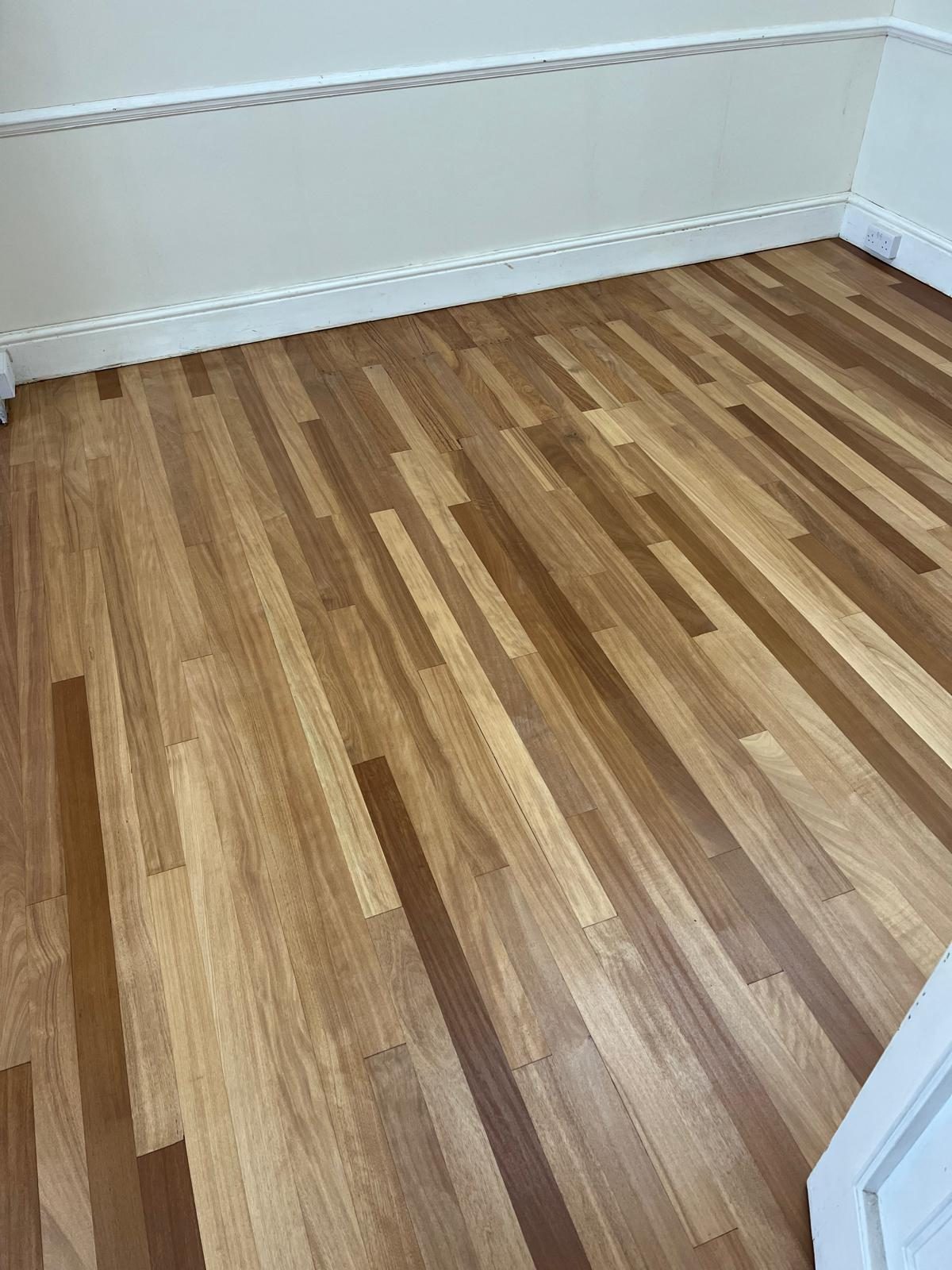
Mixed-tone wooden strip flooring beside a white skirting board
AOC Sanding · Free quotes

Your wooden floors in Potters Bar.A fresh start.

Talk directly to Adam. Over 20 years’ experience, clear advice and no quote fee.