Start with the building, not a postcode assumption
St Albans has an important historic environment, but a city address does not tell us what is beneath your carpet. A timber floor in an older house, a converted flat and a recent extension can require three different approaches. The council explains how to check conservation boundaries using its mapping service. Use that address-specific information rather than assuming that every home near the centre has the same protection.
If your property is listed, establish whether the proposed treatment of its floors needs consent before agreeing any irreversible work. Conservation-area designation and listing are not interchangeable. A floor can also have significance that is not obvious from a photograph: broad boards, historic fixings, old repairs or unusual thresholds may be worth retaining. Tell Adam about known restrictions, previous conservation advice and any requirement to record existing material. A restrained repair may be more appropriate than an aggressively uniform result.
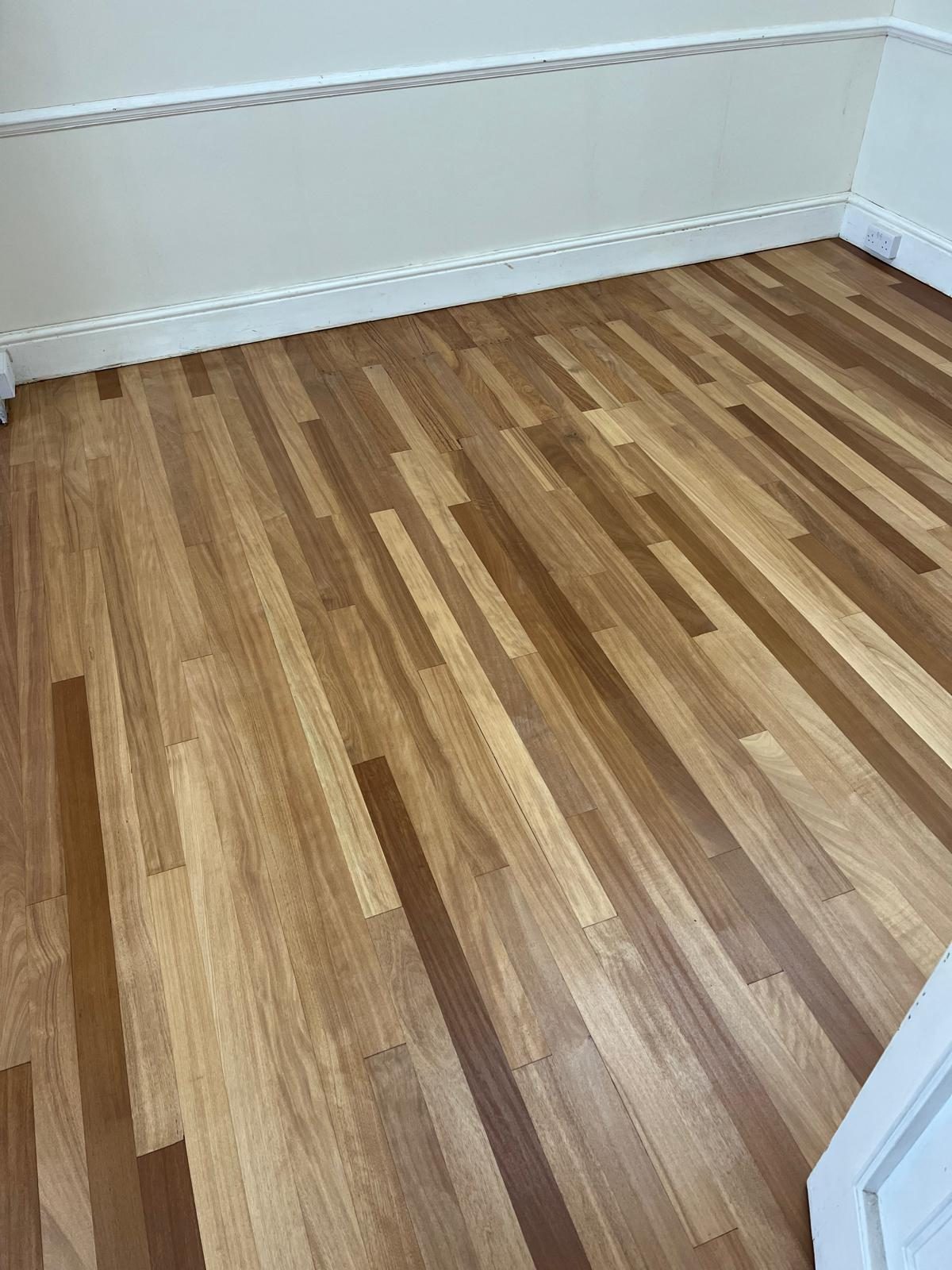
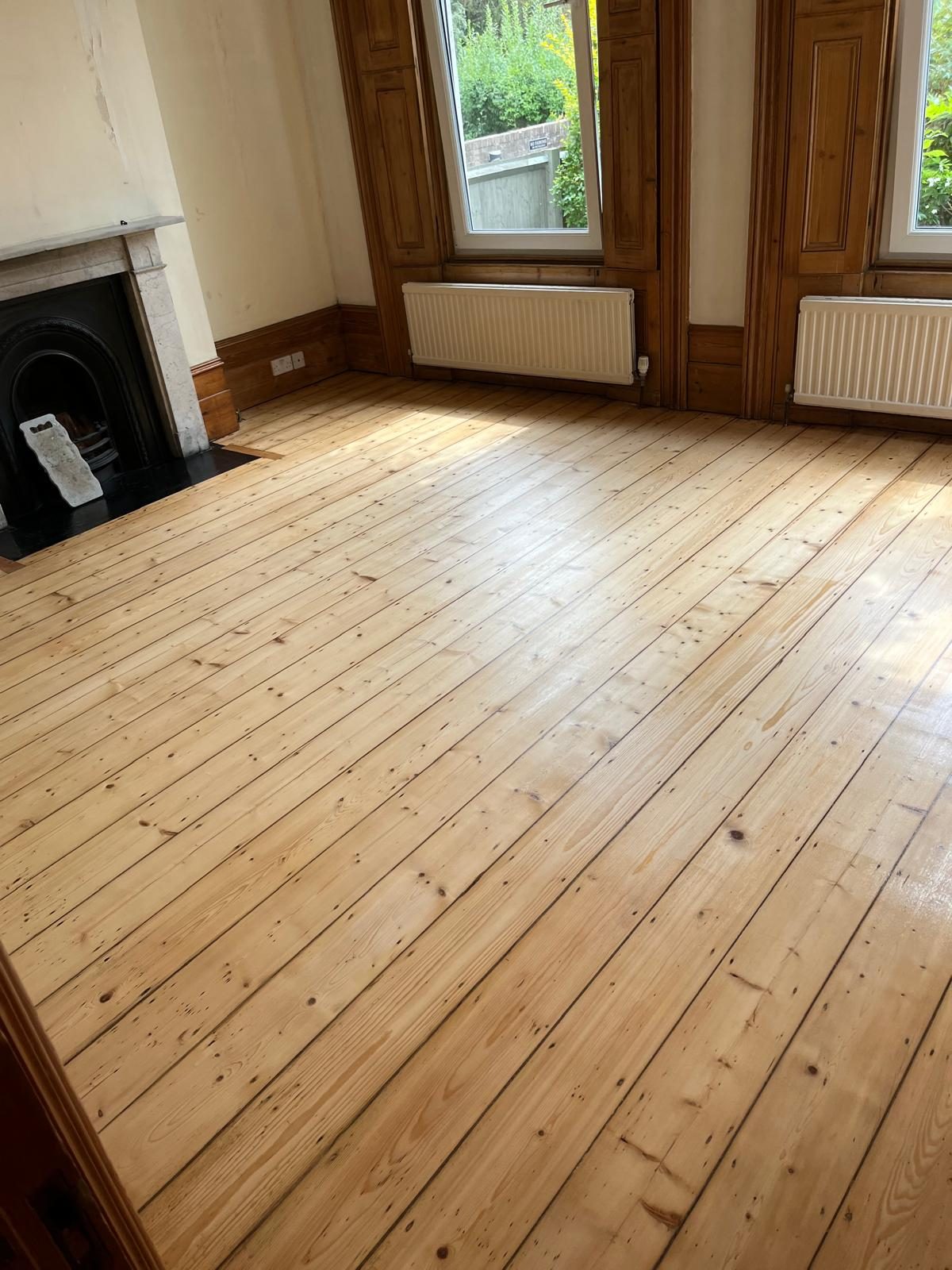
For an ordinary unlisted home, the same careful inspection still has practical value. A smooth-looking floor may have little remaining sanding depth, while a shabby surface can sometimes conceal sound timber. Photographs of the full room, a close view of a damaged area and an accessible board edge are useful starting points. They do not replace checking the floor on site, particularly where carpet, hardboard or furniture hides its condition.