Finchley · North London · Hertfordshire
07784 870239adamoc87@hotmail.co.uk
Call AdamFree Quote
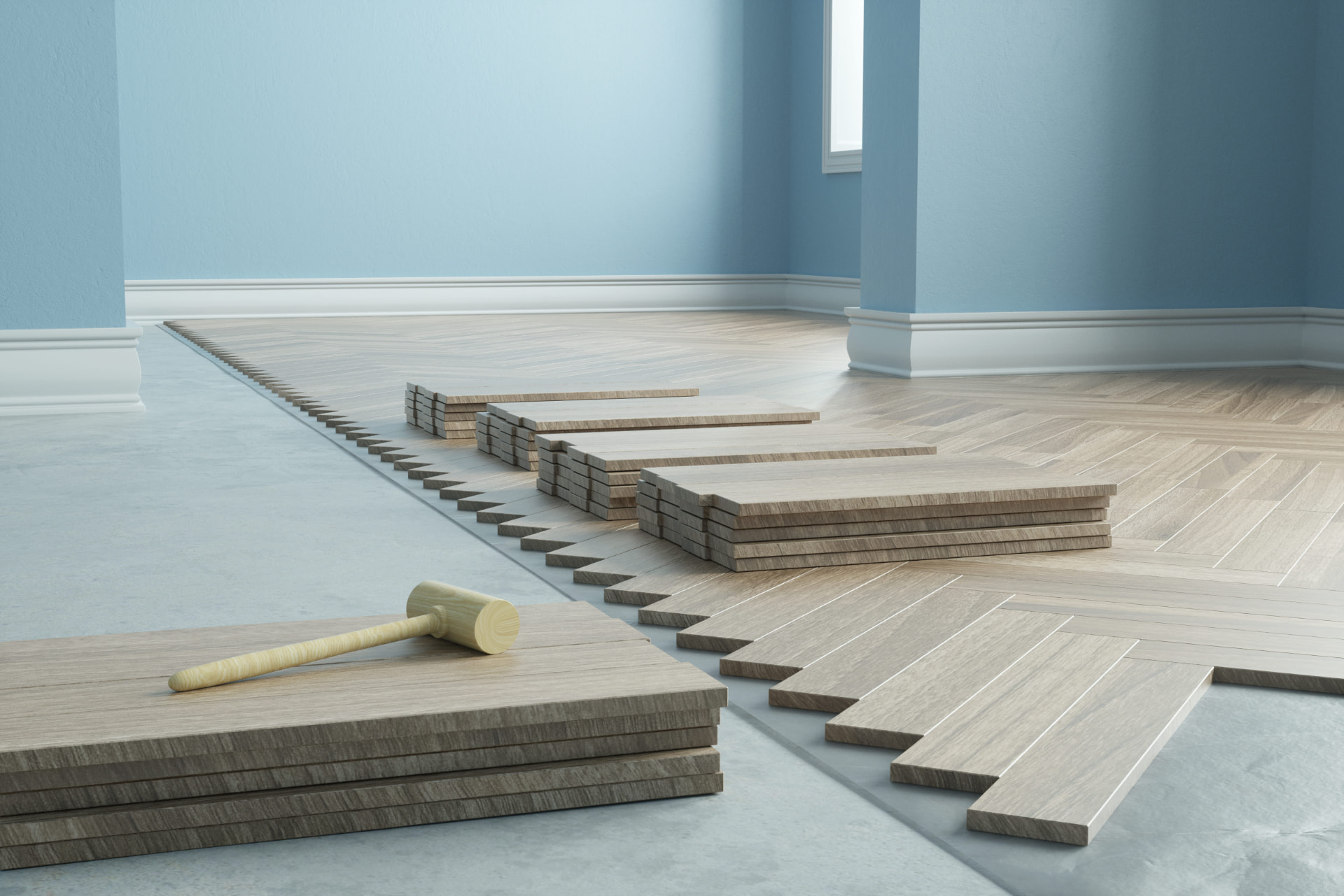
Replacement wooden flooring boards laid out beside an unfinished floor
AOC Sanding · Finchley & North London

Floorboard Replacementin Finchley &North London

Targeted assessment of damaged or unsuitable boards, with replacement scope, underlying conditions and the relationship to the surrounding floor considered before work is agreed.

Get a Free Quote
Over 20 years’ individual experience · Free quotes
20+ years’ experienceIndividual trade experience
Lägler-trainedSpecialist floor care
Public liability insuredCover held by AOC Sanding
Free quotesDiscuss your project with Adam
The right work for your wood

Floorboard Replacement:what to consider.

Replace what needs replacing, not automatically the whole floor

A damaged board can interrupt the use and appearance of an otherwise serviceable timber floor. Local replacement may be appropriate where the surrounding material remains sound, but the cause of damage matters as much as the visible defect. A board affected by an unresolved leak or inadequate support should not simply be covered by another piece of timber. Assessment should establish the problem before deciding how much material needs replacing.

AOC Sanding is run by Adam O’Callaghan, who has over 20 years of individual experience and is Lägler-trained. Public liability insurance is held and quotations are free. These facts do not establish a particular repair method for every floor. The proposed replacement needs to reflect the board construction, access and underlying condition rather than relying on a generic promise about an invisible repair.

Understand how the board forms part of the floor

Traditional boards fixed over joists, engineered flooring and other fitted timber systems can require very different interventions. Board width alone does not establish compatibility. Thickness, profile, fixing method and the condition of adjacent material all matter. Provide photographs and any information about the floor’s construction, previous repairs and damage history so that an initial conversation has a useful starting point.

Before the problem gets overlooked

Recognise the signs.Avoid the common mistakes.

Split, broken or weakened boards

A split or missing section may be local, but it can also indicate a support or fixing issue. Replacing the visible piece without considering its bearing and neighbouring boards may leave the underlying problem unresolved. The extent of replacement should be established from the condition of the timber and its support, not merely from the size of the visible opening. Avoid testing a weakened board by placing additional weight on it.

Damage associated with moisture

Swelling, softness or persistent discolouration can require investigation of moisture sources before replacement. A new board is not a cure for an active leak or unsuitable conditions beneath the floor. The relevant plumbing or building issue may need separate attention. Drying and assessment can affect when repair is appropriate, and the visible boundary of a stain does not necessarily identify the full extent of affected timber.

Previous access cuts and mismatched repairs

Boards lifted for services can leave short pieces, damaged edges or poor alignment. Earlier replacements may also differ in width, grain or level. A repair plan should consider how the new section meets surrounding boards and whether adjacent material can remain undisturbed. Improving a poor repair may be possible, but an exact visual match to aged timber should not be promised without considering the available material and finishing options.

A considered approach

From assessmentto finishing care.

01

Assess the defect and define the repair area

Start with clear photographs, approximate dimensions and an explanation of how the damage occurred if known. Mention any movement, recent leak or previous service work. An on-site assessment may be needed to understand support and fixing arrangements. The quotation should identify the proposed repair area, relevant assumptions and whether additional damage could become apparent once a board is lifted.

02

Consider concealed services and suitable replacement material

Pipes, cables and other services can be present beneath floorboards, so access and fixing decisions need appropriate care. Tell Adam about known routes or previous alterations, but do not assume an old drawing proves the space is clear. Replacement material should be considered for dimensions, profile and compatibility with the floor. Species and appearance are important, but they are not substitutes for a suitable physical fit.

03

Agree installation, finishing and surrounding work

The repair approach depends on construction and support conditions. Cosmetic filling should not be confused with restoring a board that needs replacement. Discuss how the repaired area will be finished and whether local treatment can achieve an acceptable appearance. Wider sanding may be considered where suitable, but it is a separate scope rather than an automatic part of every board replacement quotation.

Practical benefits

A better surface.A clearer decision.

Preserve sound surrounding material

A targeted replacement can retain usable boards where a local defect does not justify wholesale renewal. This depends on the floor system and access: some constructions allow straightforward local intervention, while others need a wider area considered. The aim should be a proportionate repair with clear boundaries, not a claim that every floor can be repaired by removing only the visibly damaged piece.

Address a functional defect and clarify its cause

Replacing an unsuitable board can improve the usability of the affected area when support and underlying conditions are properly addressed. The assessment can also distinguish a surface appearance concern from a repair requiring more substantial attention. That distinction helps avoid paying for refinishing when the principal issue is a damaged component, or replacing sound timber when only the protective coating needs renewal.

Materials, methods & choices

The detailbehind floorboard replacement.

Price replacement independently of floor sanding

Floorboard replacement is quoted individually. The commercial floor-sanding guide does not apply to repairs or replacement boards. Price depends on the extent of damage, construction, access, material requirements, support considerations and the agreed finishing scope. A short replacement with difficult access can involve different work from a longer board in an open, readily accessible area, so area alone is not a useful universal rate.

Ask for the quotation to distinguish removal, replacement material, associated work and finishing where relevant. If hidden deterioration could change the scope, agree how that would be reported and authorised rather than assuming every possible issue is included. Quotations are free, and payment is accepted by cash or bank transfer. Confirm payment arrangements before work begins.

Set realistic expectations for appearance

New and aged timber can differ even when their species and dimensions are similar. Grain, previous exposure, old stains and earlier finishes all affect the result. A replacement may remain identifiable, and attempting to match one board can sometimes draw attention to neighbouring wear. Discuss whether a visible but compatible repair is acceptable or whether wider finishing should be assessed as an additional option.

No source of replacement timber or exact matching method should be assumed before the material is assessed. If matching stock is important, explain that priority at the first enquiry. Any sample or photograph should be treated as an aid to discussion, not an exact guarantee under every lighting condition. Natural variation remains part of a timber floor, including within boards originally installed together.

Coordinate access, underlying faults and return to use

Clear the affected area as agreed and explain whether the floor forms a main route through the property. Repairs may expose openings or unfinished edges that need controlled access during work. Children, pets and other trades should be kept away from the working area. The programme depends on what is found, material suitability, any separate remedial work and the finishing requirements; no fixed completion time is promised.

Business hours are Monday–Saturday, 8am–8pm. These do not establish emergency attendance or guaranteed immediate repair. If the area is unsafe, avoid using it and seek appropriate advice rather than relying on an unconfirmed appointment. Report any known leak, service route or recent movement before work so that the proposed scope can account for those practical concerns.

Aftercare follows the repair and any finish applied

Care requirements depend on the replacement and any finish included. Where finishing has been carried out, follow the relevant guidance before cleaning, placing coverings or moving furniture onto the area. Replacement alone is not a dust-free floor-sanding service. The up-to-98% dust-free claim applies only to Lägler floor sanding if that separate floor-sanding work is actually included and agreed.

There is no guaranteed lifespan or unconditional guarantee. Future performance depends on support, moisture conditions, use and maintenance as well as the repaired material. AOC Sanding can arrange re-visits if needed. If you notice a concern, provide photographs and explain any changes in the room or floor, allowing the issue to be considered against the agreed repair rather than assuming every later defect has the same cause.

Your questions answered

Floorboard ReplacementFAQs.

For advice about your particular surface, contact Adam with your postcode and the work you have in mind.

Request a free floorboard replacement quote

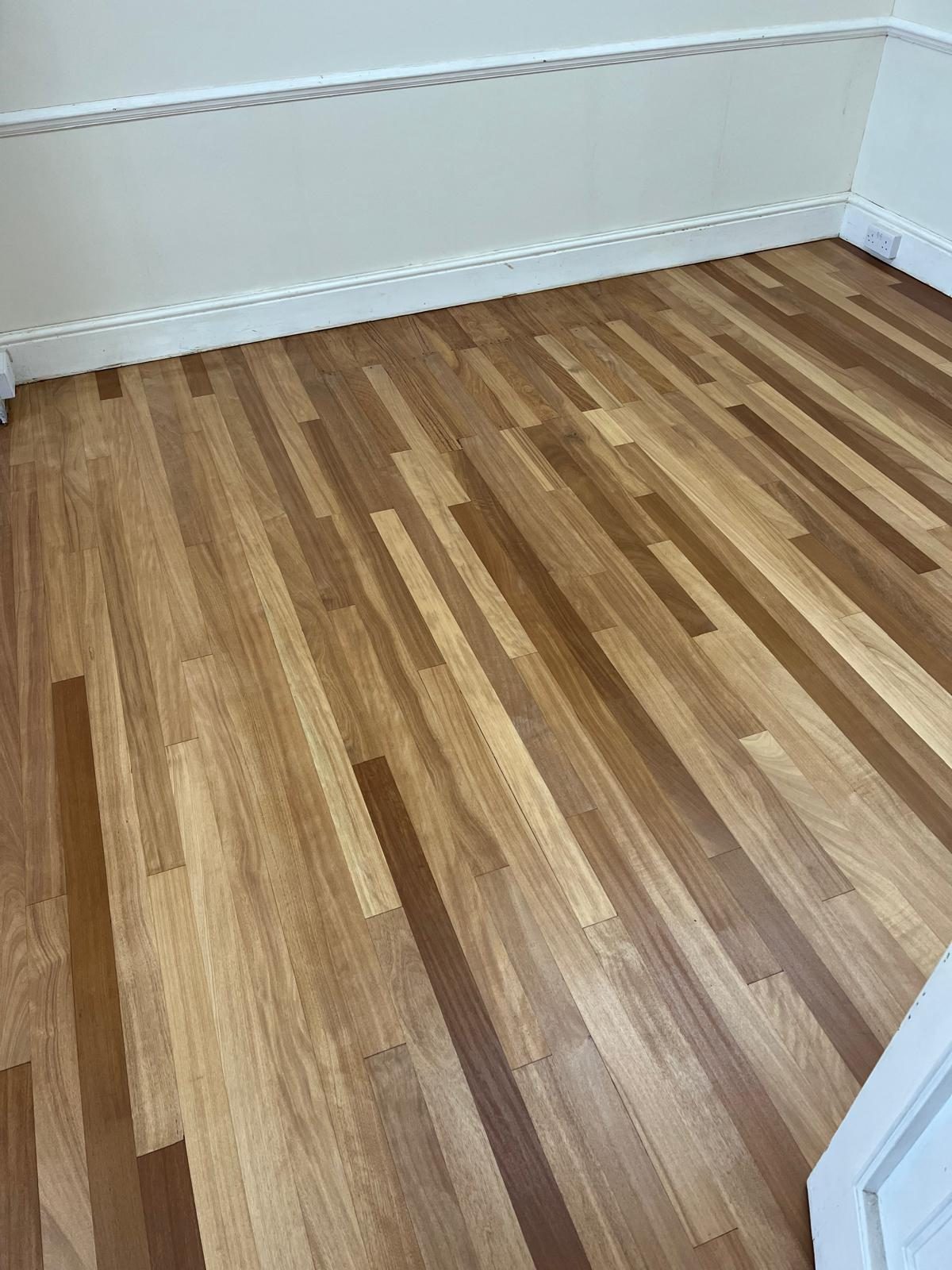
Mixed-tone wooden strip flooring beside a white skirting board
AOC Sanding · Free quotes

A fresh startfor your wooden surface.

Talk directly to Adam. Over 20 years’ experience, clear advice and no quote fee.