Finchley · North London · Hertfordshire
07784 870239adamoc87@hotmail.co.uk
Call AdamFree Quote
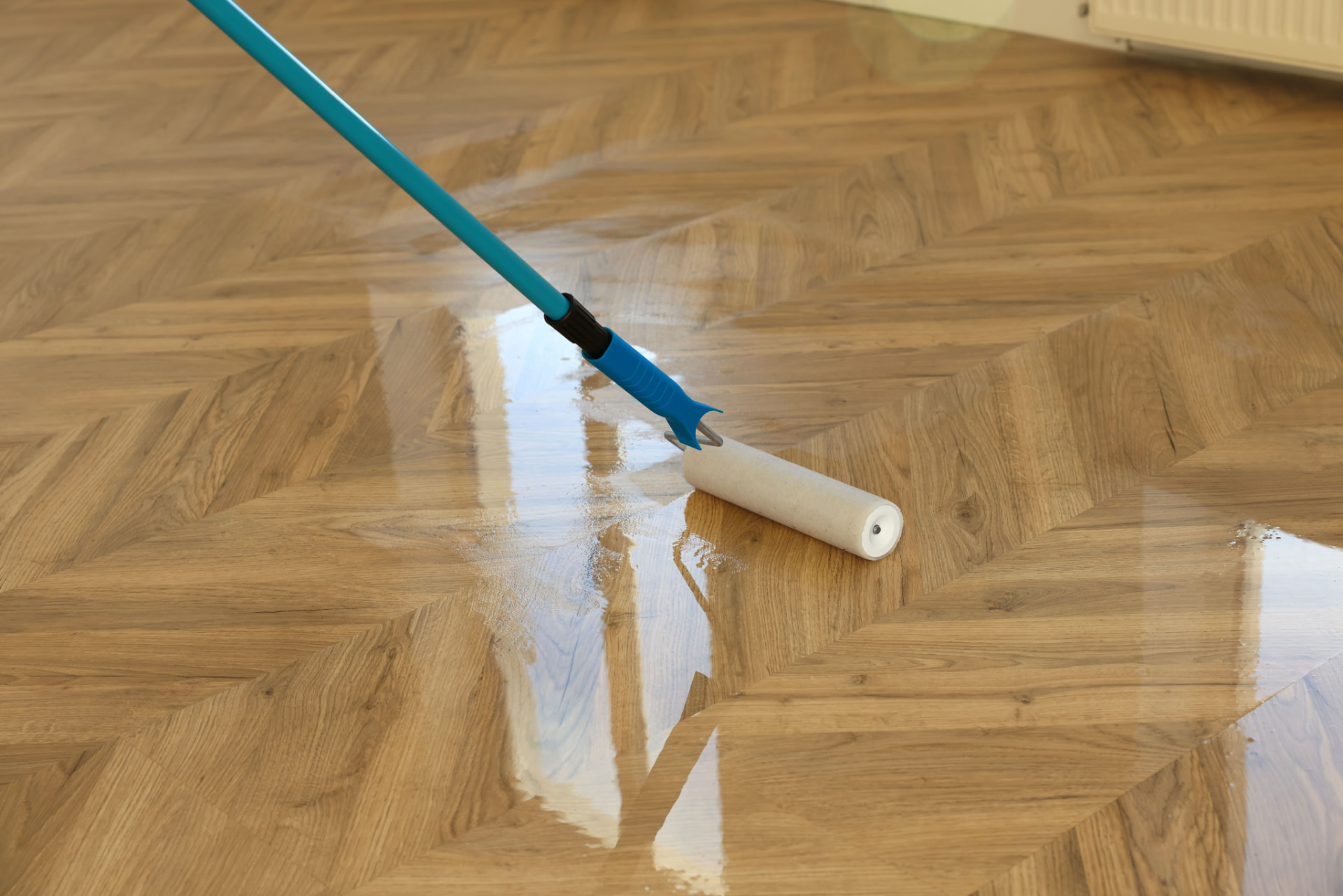
Roller applying a clear finish to parquet flooring
AOC Sanding · Finchley & North London

Floor Lacqueringin Finchley &North London

Specify a compatible film-forming protective finish for suitable timber, with preparation, sheen and aftercare considered together rather than treating lacquer as a cure for underlying defects.

Get a Free Quote
Over 20 years’ individual experience · Free quotes
20+ years’ experienceIndividual trade experience
Lägler-trainedSpecialist floor care
Public liability insuredCover held by AOC Sanding
Free quotesDiscuss your project with Adam
The right work for your wood

Floor Lacquering:what to consider.

Understand what lacquer does

Floor lacquer forms a protective film over a suitably prepared surface. Its role differs from stain, which changes colour, and from maintenance systems associated with hardwax oil. The performance of a lacquered floor depends on the complete system: the timber, preparation, any primer or colour treatment, the lacquer specification and conditions during application and curing. Choosing a sheen alone does not settle those technical questions.

Lacquer does not repair a loose board, remove damp or make timber waterproof. Existing defects need assessment before a new finish is considered. A fresh coating can protect suitable prepared timber, but it may also make scratches, contamination or uneven preparation more apparent. Discuss the actual floor and how the room is used so the proposed work addresses more than a preference for a shiny or matt appearance.

Recoating and full refinishing are different

An existing lacquered surface may sometimes be suitable for a maintenance recoat, but this depends on its condition and compatibility. Unknown finishes, polish residues, worn-through areas or adhesion concerns can rule out a straightforward overcoat. A floor requiring fuller preparation is a different scope of work. Assessment should establish which route is realistic rather than assuming that another coat can safely be applied over everything already present.

An assessed service from AOC Sanding

AOC Sanding is run by Adam O’Callaghan, who has over 20 years of experience and is Lägler trained. The business holds public liability insurance. These credentials do not remove the need to inspect the individual floor: its construction, condition and existing treatment determine what work is appropriate. Quotes are free, and the proposed scope should make clear which preparation, repairs and finishing stages are included.

Before the problem gets overlooked

Recognise the signs.Avoid the common mistakes.

Worn areas, scratches and loss of consistency

Traffic routes often show wear before quieter edges. Light surface marks are different from scratches that reach bare timber, and the appropriate response may differ accordingly. A new coat is not guaranteed to hide either. If wear has exposed wood, colour differences and contamination may need attention before a consistent finishing system is possible. Describe where the wear occurs and whether it has changed quickly or developed gradually.

Peeling, contamination and water marks

A peeling coating may point to adhesion problems rather than a simple shortage of finish. Household polish, incompatible products or residues can complicate subsequent coating. Water marks require consideration of the underlying cause and depth of damage. Applying more lacquer without resolving these issues can be ineffective. Where the history is unknown, testing or more extensive preparation may be needed before the proposed system can be confirmed.

A considered approach

From assessmentto finishing care.

01

Assess the substrate and existing finish

Useful assessment considers floor construction, remaining timber thickness, coating condition and the room’s use. Engineered boards may have limited sanding allowance, while a previously treated solid floor may still carry difficult contamination. Explain cleaning products used, any polish applications and previous repairs. These details help assess compatibility but do not replace inspection. The agreed scope should distinguish local repairs from preparation required across the coating area.

02

Specify a compatible lacquer system

The selected products must be suitable for the timber, any colour treatment and the expected use. Sheen, maintenance requirements and practical access restrictions should be discussed alongside compatibility. General options do not establish which products Adam will use on a particular job. Ask what preparation and coating stages are proposed and what assumptions the quote makes about the existing surface before agreeing to the work.

03

Respect application and curing requirements

The correct sequence, coat requirements and intervals depend on the selected system and site conditions. A surface that feels dry is not necessarily ready for heavy use, rugs or wet cleaning. Ventilation, temperature and humidity need to suit the product instructions rather than improvised shortcuts. Plan routes through the property and ask for clear aftercare instructions covering initial access, furniture placement and the later return to normal maintenance.

Practical benefits

A better surface.A clearer decision.

A protective layer suited to everyday use

A suitable lacquer system can provide a practical protective surface for timber when it is specified, applied and maintained correctly. That protection has limits: grit, dragged furniture and standing water can still cause damage. The goal is not an indestructible floor but a considered finish with care requirements you understand. Choosing a system for the room’s use matters more than assuming that every lacquer behaves identically.

Choose appearance without confusing sheen with strength

Different sheen levels can change how the floor reflects light and how noticeable certain marks appear. They do not, on their own, establish durability, slip characteristics or suitability for a particular space. Ask about the complete specification and any relevant requirements for your setting. A sample or representative discussion can help with appearance, while technical suitability must still be checked against the timber and proposed coating system.

Materials, methods & choices

The detailbehind floor lacquering.

Plan the room before work begins

Discuss furniture, appliances, door clearances and access to adjoining rooms. Small items should be cleared as agreed, while heavy items and specialist moving needs should be raised during quoting. Keep pets and unnecessary foot traffic away from a coating area. Do not assume the room can remain a thoroughfare between coats. Practical planning helps protect the surface from avoidable disturbance while the material reaches its required condition.

Consider future repair visibility

A lacquer film may show the boundary of a local repair because sheen, age and surface texture differ from the surrounding area. Small touch-ups are not automatically invisible, especially in raking daylight. If damage is local, ask whether a local intervention is technically suitable and what visual compromise it may involve. In some circumstances a wider treatment area may be discussed, but its extent should be agreed rather than presumed.

Use lacquer-appropriate care

Follow the instructions for the specified lacquer rather than using maintenance oil intended for a different finishing system. Remove abrasive dirt, use suitable protective pads and avoid soaking the timber. Check cleaning products for compatibility and do not build up household polish without advice. Monitor wear at busy thresholds and seek guidance before coating failure exposes more timber. Early discussion may preserve options, but it does not guarantee that a maintenance recoat will be possible.

Arrange a useful first conversation

For an enquiry, contact Adam on 07784 870239 or email adamoc87@hotmail.co.uk. Contact hours are Monday–Saturday, 8am–8pm. Include photographs taken in daylight, the approximate room size, the property postcode and a description of the problem or desired appearance. Mention stairs, parking restrictions, furniture and any date you are working towards. These details support an informed discussion; they do not replace an assessment or confirm a booking.

Keep sanding claims separate from this service

If floor sanding is included before finishing, AOC Sanding’s up to 98% dust-free Lägler claim applies only to that sanding stage. It is not a dust-reduction claim for stain, lacquer or oil application, and it does not mean the entire project is dust-free. Discuss protection for nearby belongings and access to adjoining rooms as part of the agreed preparation rather than assuming every activity has the same containment requirements.

Your questions answered

Floor LacqueringFAQs.

For advice about your particular surface, contact Adam with your postcode and the work you have in mind.

Request a free floor lacquering quote

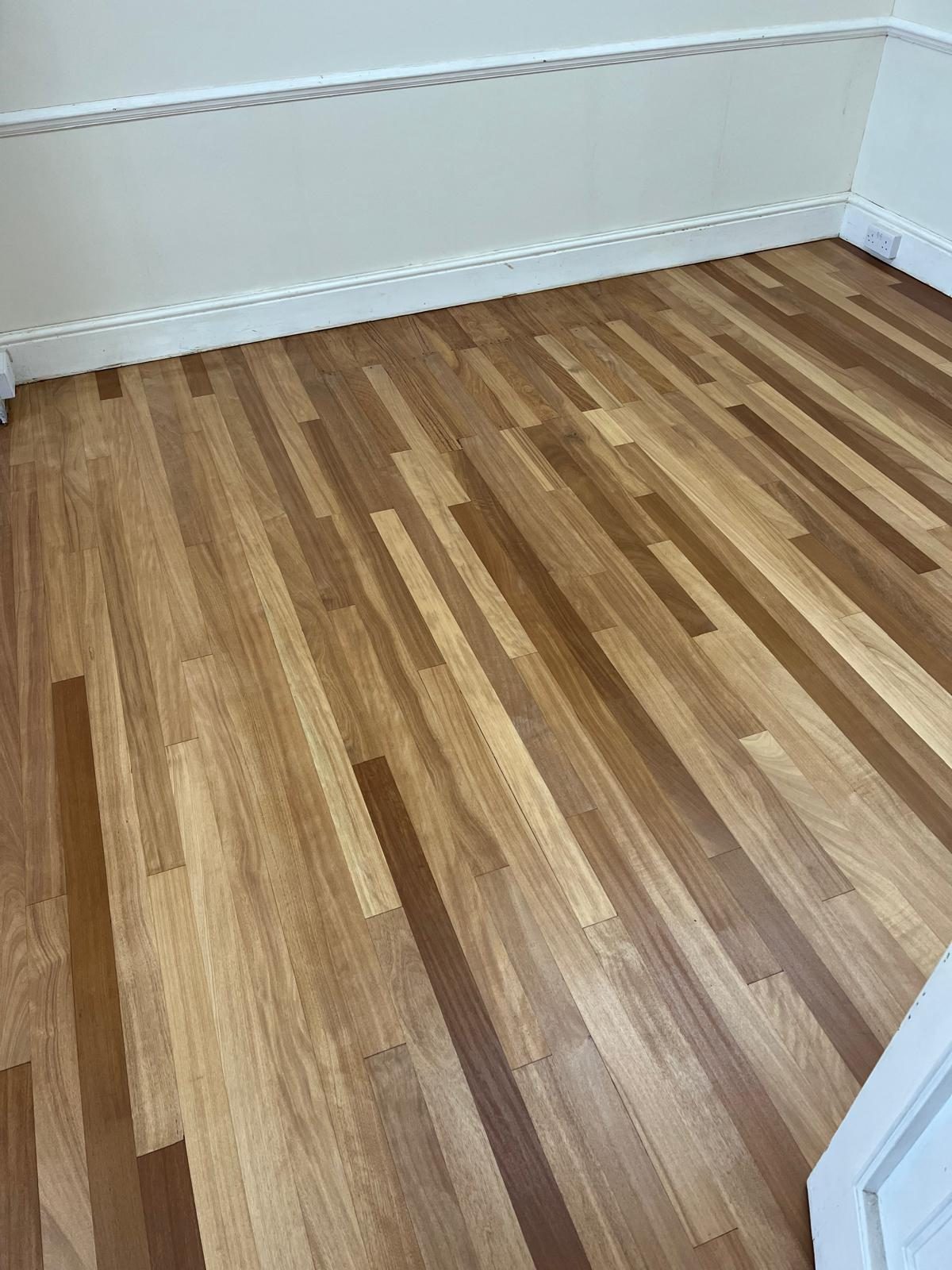
Mixed-tone wooden strip flooring beside a white skirting board
AOC Sanding · Free quotes

A fresh startfor your wooden surface.

Talk directly to Adam. Over 20 years’ experience, clear advice and no quote fee.