Finchley · North London · Hertfordshire
07784 870239adamoc87@hotmail.co.uk
Call AdamFree Quote
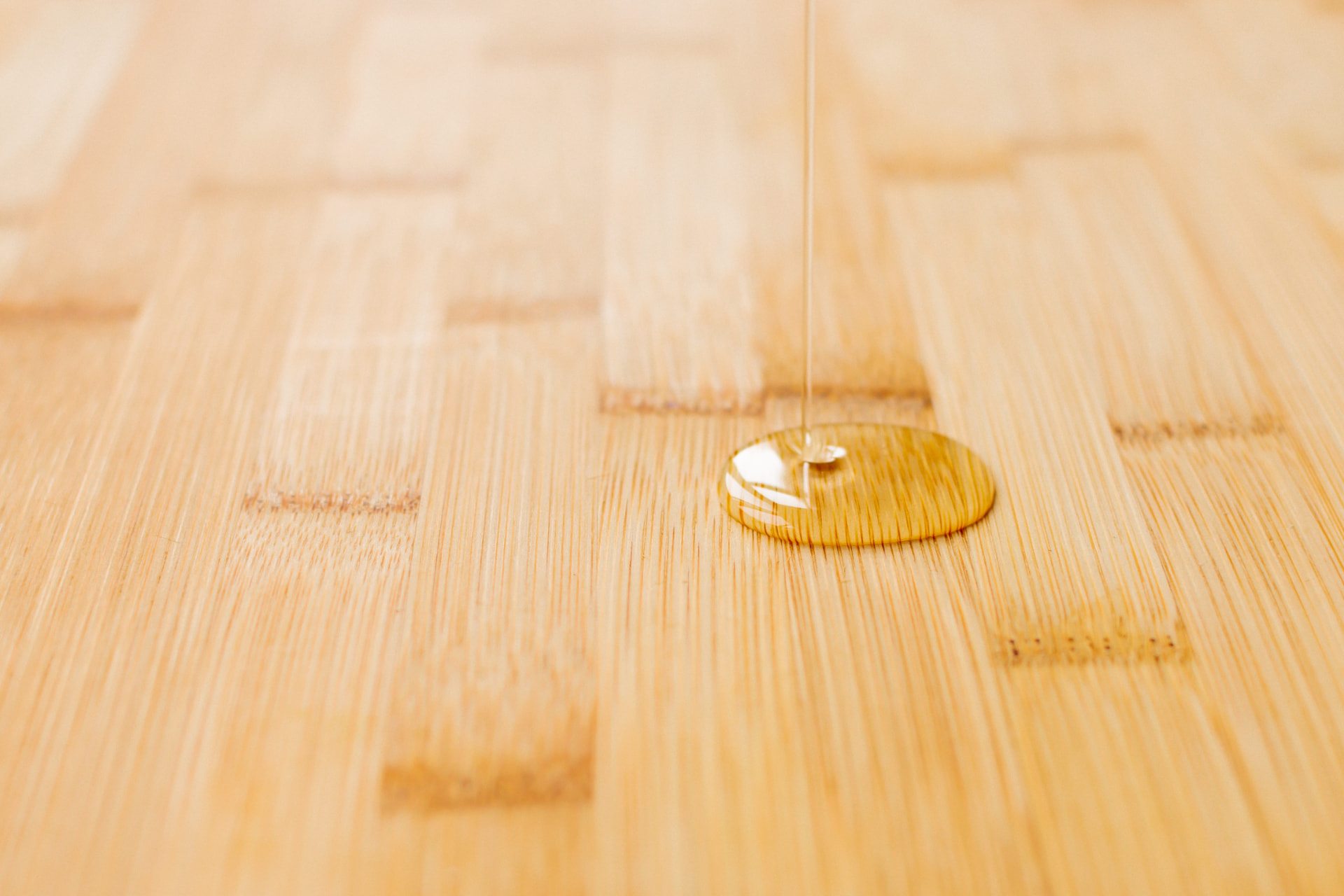
Amber oil on a pale wooden surface
AOC Sanding · Finchley & North London

Hardwax Oil Finishingin Finchley &North London

Consider a suitable hardwax oil system with its appearance, application limits and ongoing maintenance requirements clearly distinguished from those of a lacquer film.

Get a Free Quote
Over 20 years’ individual experience · Free quotes
20+ years’ experienceIndividual trade experience
Lägler-trainedSpecialist floor care
Public liability insuredCover held by AOC Sanding
Free quotesDiscuss your project with Adam
The right work for your wood

Hardwax Oil Finishing:what to consider.

Choose a finish with its care regime in mind

Hardwax oil finishing uses a compatible oil-and-wax-based system on suitable prepared timber. Its appearance and maintenance approach differ from those of a film-forming lacquer. The exact behaviour depends on the selected product and the wood beneath it, so the name alone does not establish suitability for a kitchen, busy entrance or commercial setting. The decision should include how the floor will be cleaned and maintained after the initial work.

A natural-looking finish is not the same as an untreated floor or a maintenance-free surface. Hardwax oil can influence timber tone and sheen, and it still needs appropriate care. Excess water, abrasive grit and incompatible cleaners can affect the result. Discuss the room’s use, your preferred appearance and how much ongoing maintenance you are comfortable managing before deciding whether this type of system is right for the floor.

Assess the timber and existing treatment

Suitable preparation is essential. Existing lacquer, wax, oils or cleaning residues may affect the chosen system, and an unknown finish should not simply be covered without checking compatibility. Engineered timber may have limited sanding allowance. Some woods or previous treatments can require specific preparation or rule out particular products. Assessment should establish the practical options rather than assuming that every wood floor can receive the same hardwax oil treatment.

An assessed service from AOC Sanding

AOC Sanding is run by Adam O’Callaghan, who has over 20 years of experience and is Lägler trained. The business holds public liability insurance. These credentials do not remove the need to inspect the individual floor: its construction, condition and existing treatment determine what work is appropriate. Quotes are free, and the proposed scope should make clear which preparation, repairs and finishing stages are included.

Before the problem gets overlooked

Recognise the signs.Avoid the common mistakes.

Dry-looking wear and inconsistent appearance

Busy areas can look different from less-used edges, but a dull patch does not automatically mean another application is appropriate. Dirt, cleaner residue, abrasion and depleted finish can produce different symptoms. Adding product without understanding the cause may create an uneven or sticky surface. Describe how the floor has been cleaned and whether any maintenance products have already been used, as that history can influence the next suitable step.

Water exposure and unsuitable maintenance

Hardwax oil does not make timber waterproof. Spills, wet mats or persistent damp can still mark the finish or affect the wood. Household detergents and products intended for unrelated surfaces may also interfere with appearance or care. An active moisture problem needs its cause resolved before decorative work is considered. If the timber has darkened or swollen, further assessment is needed rather than assuming a maintenance coat will remove the damage.

A considered approach

From assessmentto finishing care.

01

Discuss use, appearance and practical upkeep

Explain the traffic through the room, likely spill exposure and any pets or furniture movement. Consider whether you want the timber’s natural variation to remain prominent and how the proposed finish may change its tone. Ask about the specific care routine and future maintenance options before approving the system. A low-sheen appearance should not be confused with low maintenance or guaranteed resistance to every mark.

02

Agree preparation and system compatibility

The existing surface must be assessed to determine a suitable preparation route. Where sanding is proposed, the timber needs enough remaining material and sound construction for that work. The selected hardwax oil system must suit the species, any colour treatment and the intended use. These are technical considerations, not a claim that Adam follows one universal application method. The quotation should identify the preparation and finishing work being proposed.

03

Apply within the selected material’s limits

Application quantities, coat requirements, drying intervals and environmental conditions vary between systems. More material is not automatically more protection; an unsuitable excess can affect drying and surface consistency. Any product-specific restrictions must take precedence over generic advice. Plan ventilation and room access as agreed, then follow instructions for initial use and later curing. A floor that is touch-dry may still need protection from rugs, cleaning or heavier furniture loads.

Practical benefits

A better surface.A clearer decision.

An appearance that works with the wood

Where suitable, hardwax oil can offer an appearance that keeps attention on the timber’s grain and character. The actual colour and sheen depend on the species, preparation and selected product, so representative sampling can be useful. It does not erase filler, repair lines or natural variation. Agree the likely visual range rather than expecting every board to have an identical tone or a completely uniform reflection.

Maintenance options that need proper assessment

Some compatible hardwax oil systems allow maintenance treatment and, in suitable circumstances, local attention to worn areas. This is not a promise of invisible spot repairs or universal recoating without preparation. Ageing, colour, contamination and the condition of surrounding timber affect what is possible. The benefit is having a considered care plan for the specified system, not assuming that any oil can be used whenever a mark appears.

Materials, methods & choices

The detailbehind hardwax oil finishing.

Prepare the room and share its history

Provide photographs of both the wider floor and worn or stained areas. Mention all known finishing and maintenance products, including household oils or waxes used locally. Discuss furniture, rugs, appliances and access routes before work is agreed. Avoid experimental treatment patches on the floor, because they can create compatibility or colour complications. If sanding is part of the proposal, ask how the room will be prepared and what is included in the scope.

Distinguish maintenance oil from routine cleaning

Regular cleaning and periodic maintenance treatment serve different purposes. Follow the selected system’s cleaner guidance, remove grit and avoid excessive water. Do not assume a dull-looking area always needs oil, as residue or dirt may require a different response. Likewise, a product used on a kitchen worktop is not automatically suitable for a floor. Confirm the appropriate material and method before introducing anything that could change adhesion, tone or slip behaviour.

Think ahead about local wear and repairs

Contact points beneath furniture, entrances and routes around tables can wear differently from quieter areas. Protective pads and suitable mats can help reduce abrasion, provided they are appropriate for the finish and introduced at the permitted stage. If local treatment is considered later, the repaired area may still differ in colour or sheen. Keep information about the specified system so future assessment is not based on guessing what was originally applied.

Arrange a useful first conversation

For an enquiry, contact Adam on 07784 870239 or email adamoc87@hotmail.co.uk. Contact hours are Monday–Saturday, 8am–8pm. Include photographs taken in daylight, the approximate room size, the property postcode and a description of the problem or desired appearance. Mention stairs, parking restrictions, furniture and any date you are working towards. These details support an informed discussion; they do not replace an assessment or confirm a booking.

Keep sanding claims separate from this service

If floor sanding is included before finishing, AOC Sanding’s up to 98% dust-free Lägler claim applies only to that sanding stage. It is not a dust-reduction claim for stain, lacquer or oil application, and it does not mean the entire project is dust-free. Discuss protection for nearby belongings and access to adjoining rooms as part of the agreed preparation rather than assuming every activity has the same containment requirements.

Your questions answered

Hardwax Oil FinishingFAQs.

For advice about your particular surface, contact Adam with your postcode and the work you have in mind.

Request a free hardwax oil finishing quote

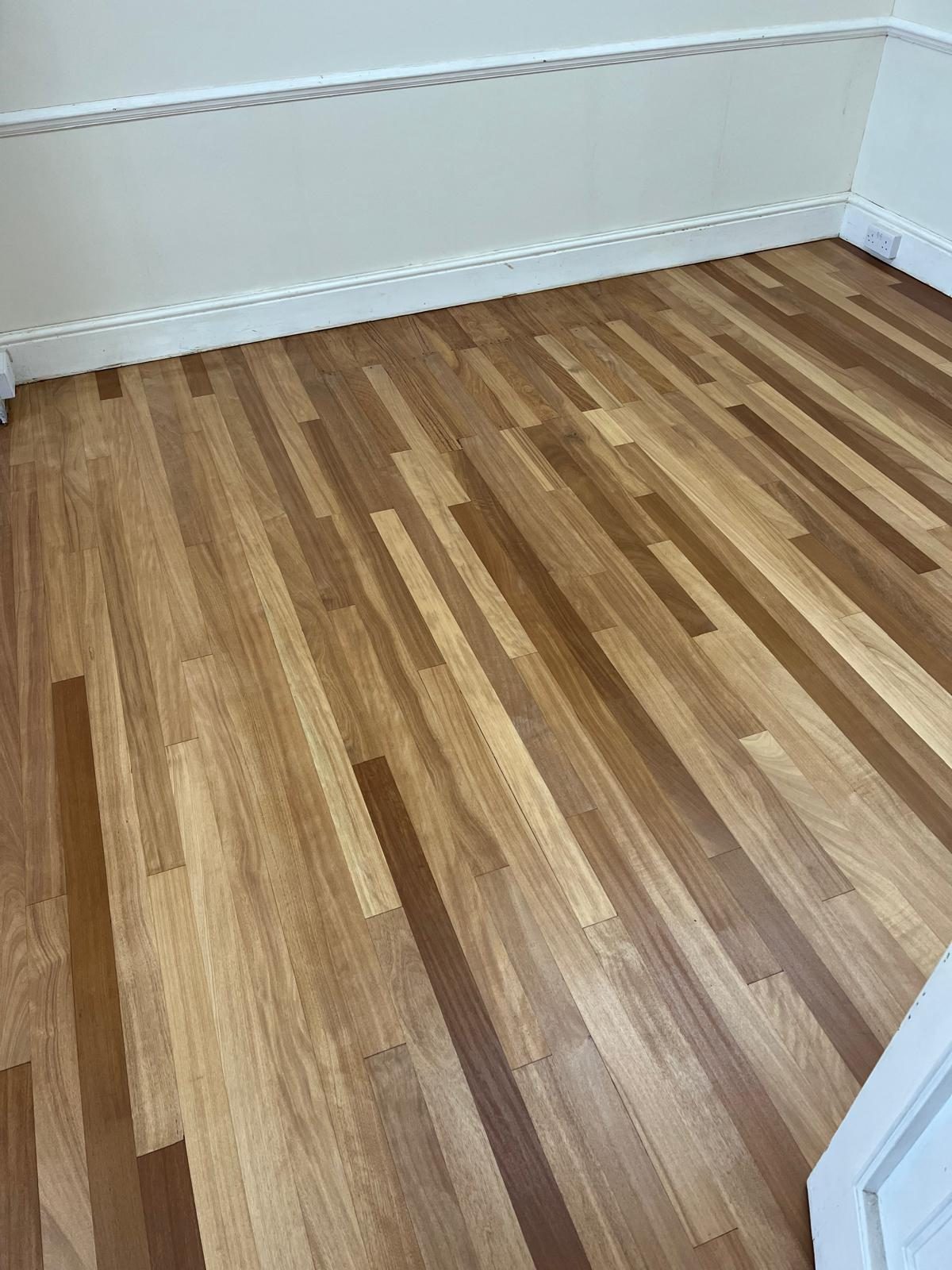
Mixed-tone wooden strip flooring beside a white skirting board
AOC Sanding · Free quotes

A fresh startfor your wooden surface.

Talk directly to Adam. Over 20 years’ experience, clear advice and no quote fee.