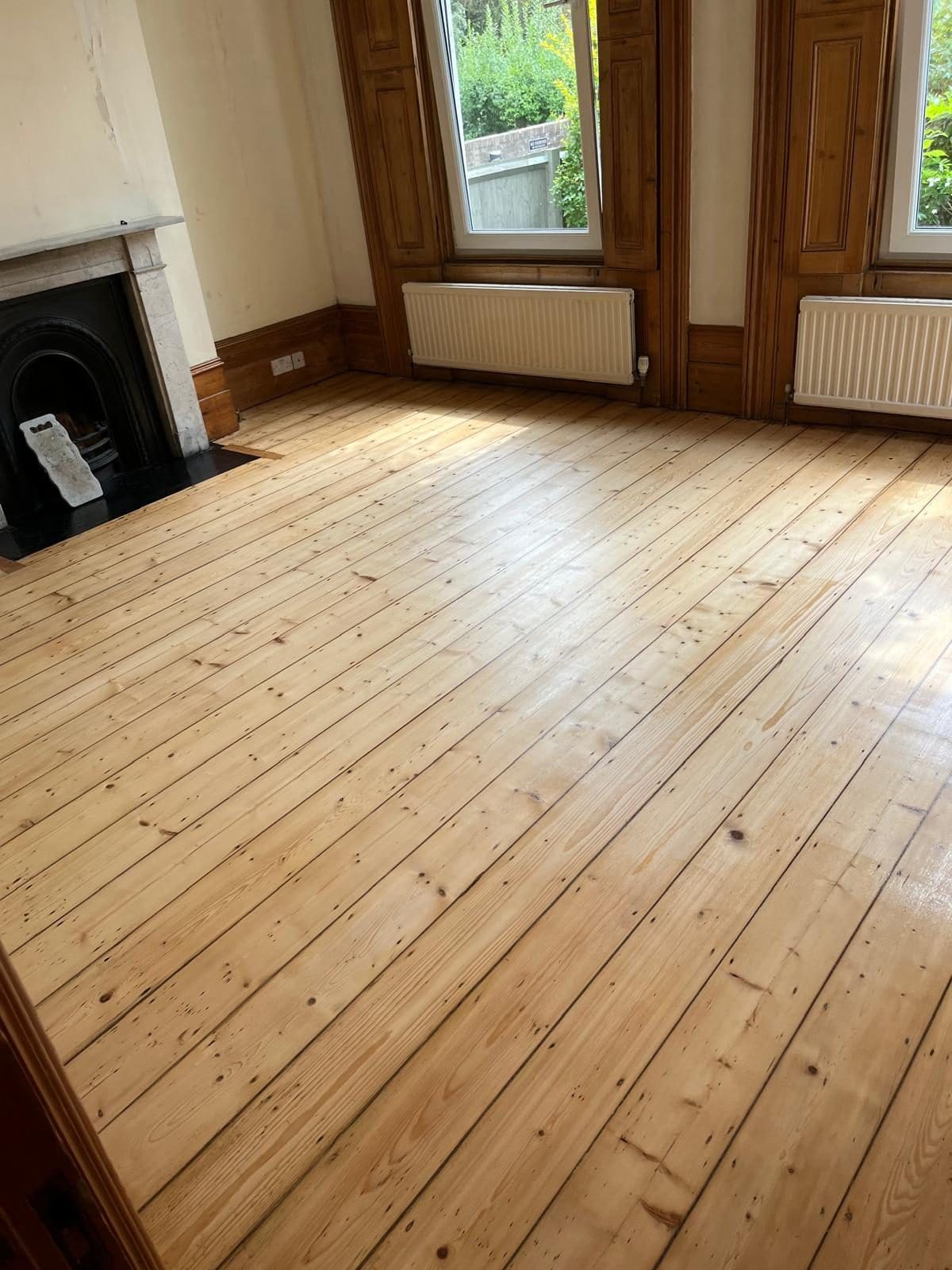
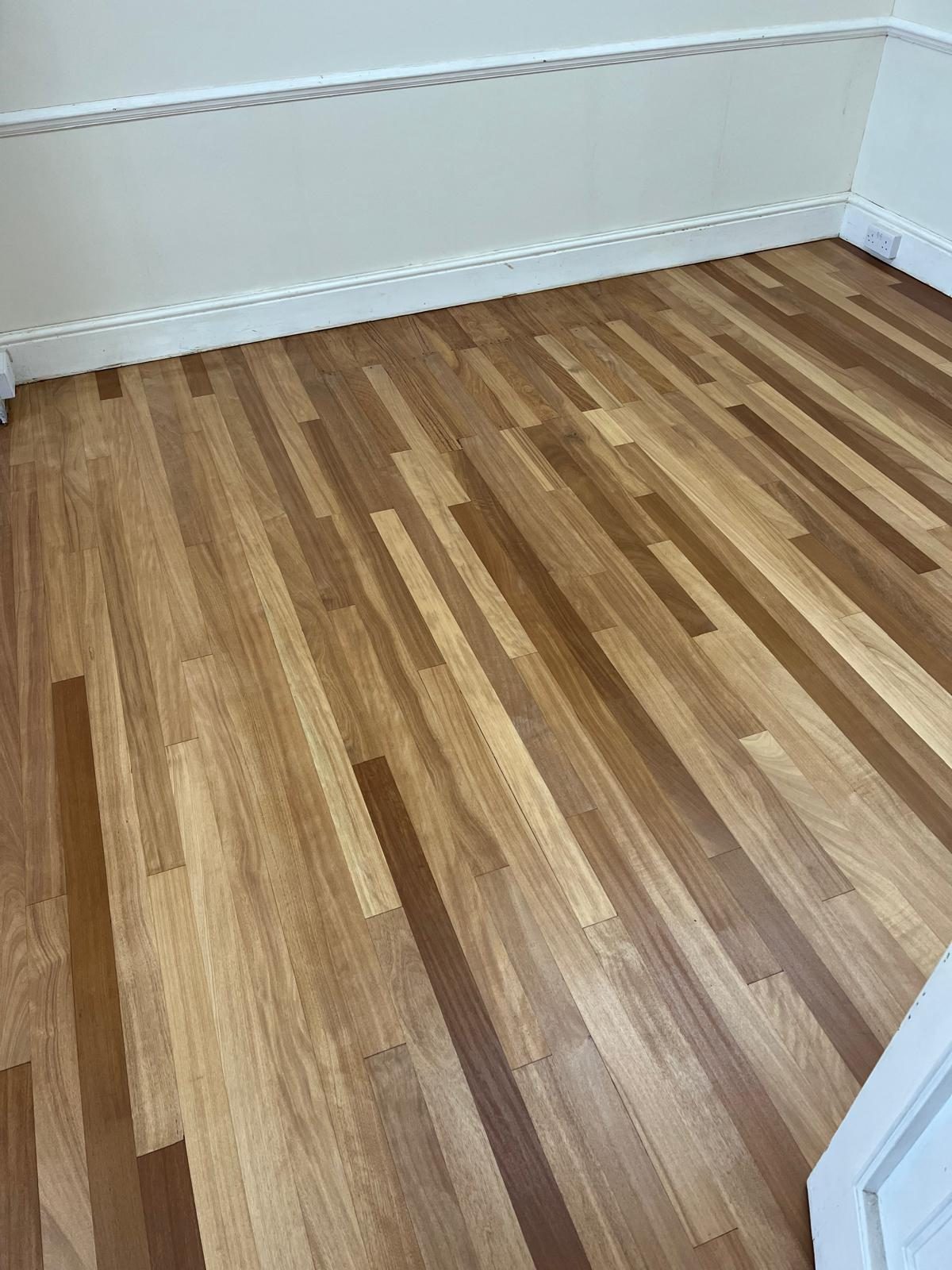
01Describe the home and the floor together
When enquiring, give the room type, approximate area, location within the property and the main issues you want addressed. Mention stairs, parking or access restrictions, shared entrances and any furniture that is difficult to move. Explain whether the property will be occupied and which rooms must stay accessible. Photographs can help communicate these details, but the floor’s suitability still needs assessment. Sharing constraints early makes it easier to discuss a realistic scope rather than discovering after agreement that the household plan cannot accommodate the work.
02Agree preparation and coordinate other work
Confirm who clears the room, protects belongings and deals with any fittings that affect access to the floor. If decorating or other trades are involved, discuss the sequence so later work does not introduce avoidable dust or damage. Do not assume sanding should always happen at the same point in every renovation. The best sequence depends on the tasks and the chosen finish. Neighbours or a building manager may also need information where access or building rules apply; clarify your responsibilities rather than assuming the contractor handles every arrangement.
03Address floor condition and carry out suitable sanding
Loose areas, moisture concerns and limited remaining wood should be considered before surface work. Sanding is appropriate only where the construction and condition allow it. AOC Sanding uses Lägler floor sanding described as up to 98% dust-free, not zero dust, so room clearance and protection still matter. The preparation and amount removed need to suit the floor rather than follow an identical recipe in every home. Discuss how corners, thresholds and transitions fit the agreed scope, especially where adjacent spaces will remain untreated.
04Return the household to the room in the right order
Plan the return to normal use around the selected finish’s requirements. Walking, replacing furniture, laying rugs and resuming cleaning are separate questions, and no fixed drying duration applies to every suitable product. Avoid bringing heavy furniture back early simply because the room is needed. Suitable protection and careful lifting can help reduce avoidable marks once furniture return is permitted. Ask what to do if you notice a concern, and keep the care instructions available for everyone who cleans or rearranges the room after completion.