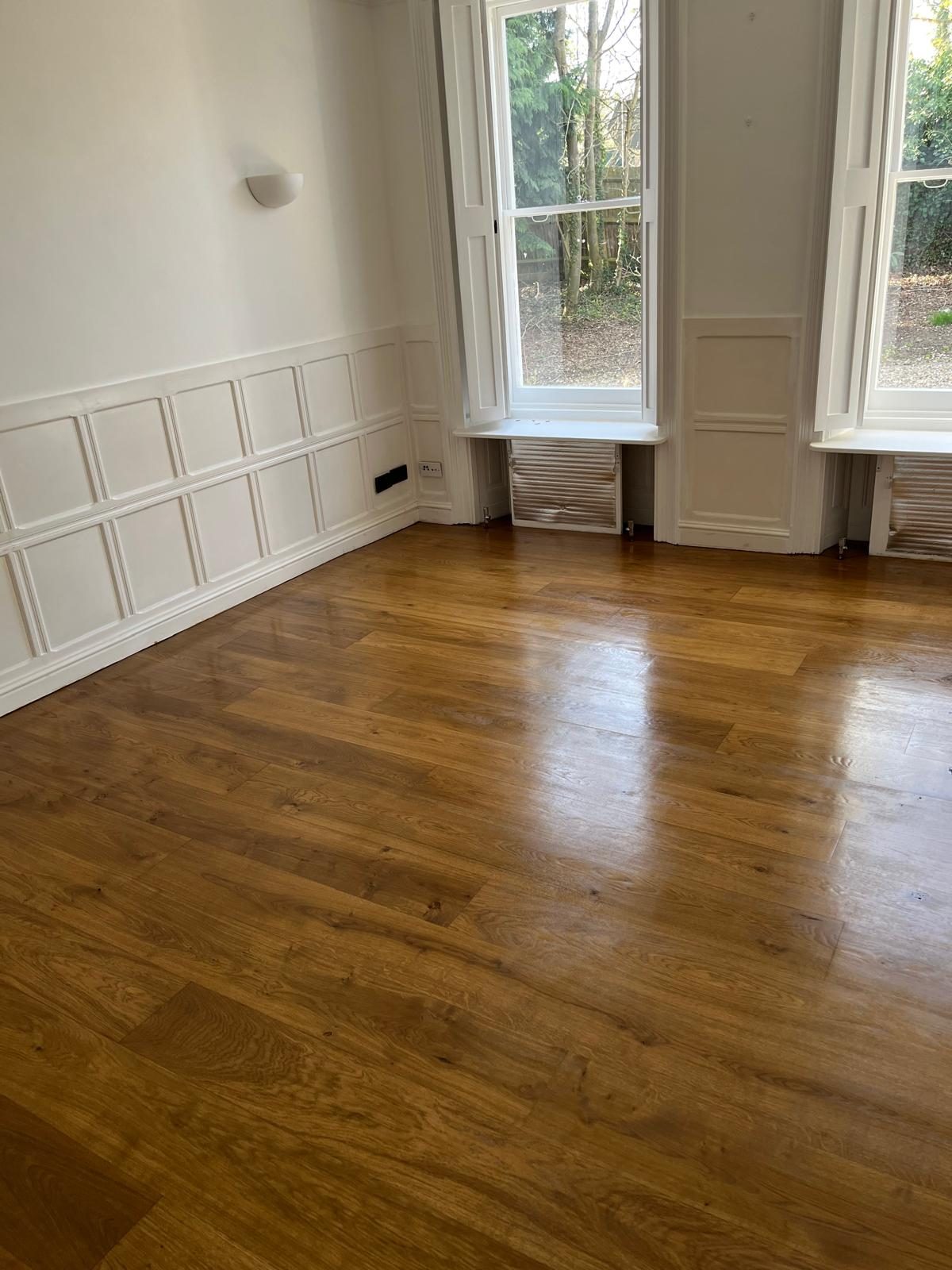
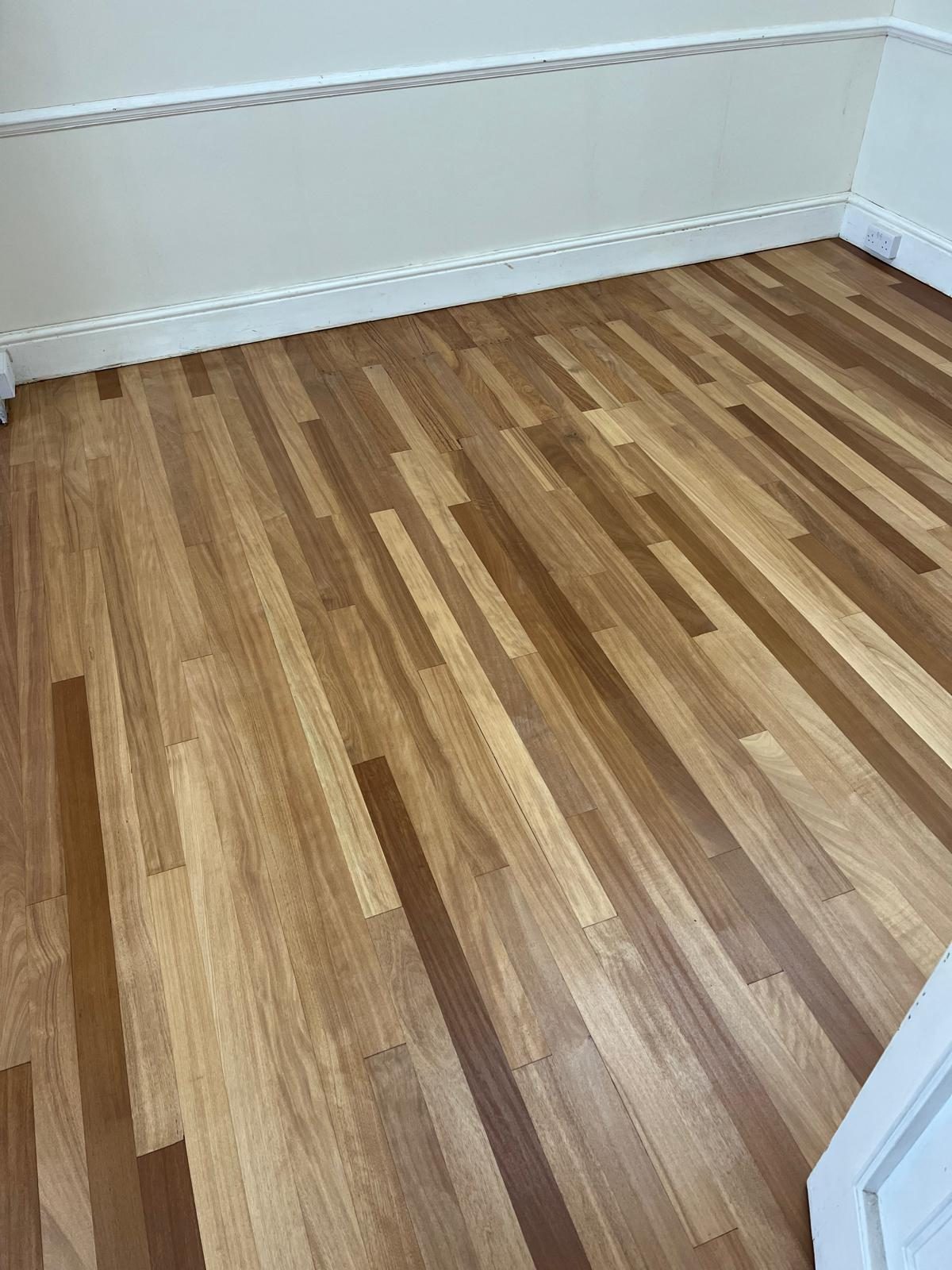
01Record the floor’s history and your priorities
Gather what you know about previous coverings, leaks, sanding and repairs. Mark problem areas on a simple room sketch or photographs so the discussion does not focus only on the most visible patch. Decide which features you would prefer to retain and which interfere with use or cleaning. Where information is uncertain, say so: an unknown history is more useful than an inaccurate assumption. A free quote can then be based on an agreed assessment process and proposed scope, with unresolved questions made explicit.
02Distinguish repair needs from surface treatment
The assessment should establish whether boards are stable, whether enough suitable timber remains and whether any conditions need investigating before restoration proceeds. Not every defect belongs within a sanding specification, and some issues may require separate specialist input. Where repairs are proposed, clarify what is included and what appearance is achievable. A new section should not be promised as invisible. This stage is also the time to discuss thresholds, adjacent flooring and any constraints that would prevent access to the areas needing attention.
03Prepare and refine only suitable surfaces
Once the agreed prerequisites are addressed, surface preparation can be selected around the construction and condition. Sanding may form part of restoration where the wood can support it, but it should not be treated as the answer to every defect. AOC Sanding uses Lägler floor sanding described as up to 98% dust-free, not zero dust. Furniture removal and protection still require planning. The amount of material removed should balance the desired improvement with preserving usable timber, rather than chasing complete uniformity at any cost.
04Finish, review and plan ongoing care
The finish should suit the restored substrate and the expected use of the room. Ask how old and replacement areas may differ in colour once treated, and whether any sample is appropriate to inform the decision. Follow the selected product’s instructions for access and returning furniture, without relying on a universal drying time. On completion, discuss retained marks, repairs and maintenance priorities. A restoration is easier to care for when you understand which features are intentional character, which are repaired areas and which conditions should be monitored.